
Green Burkinis
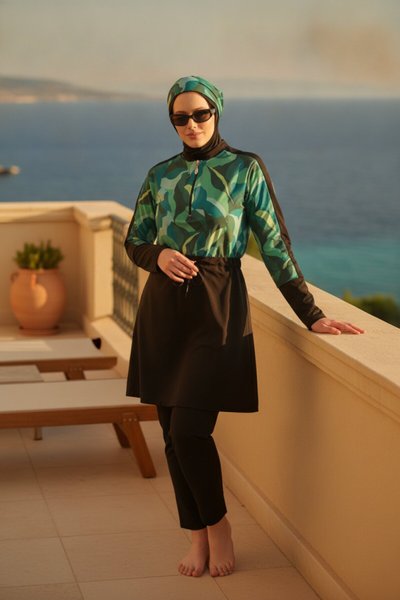
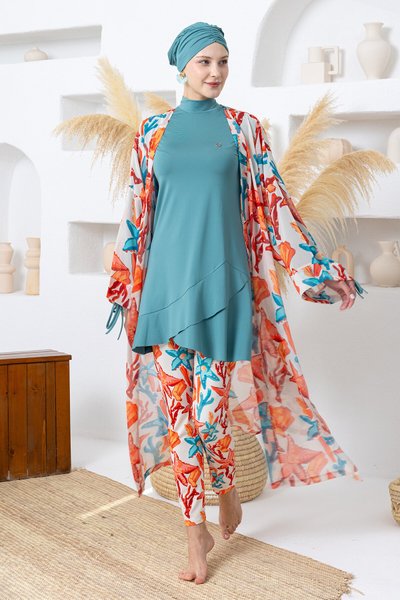
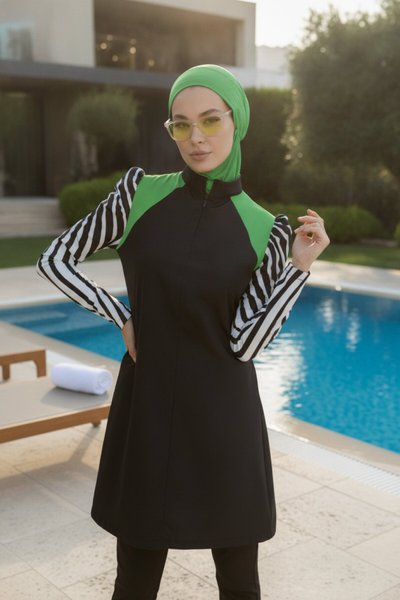
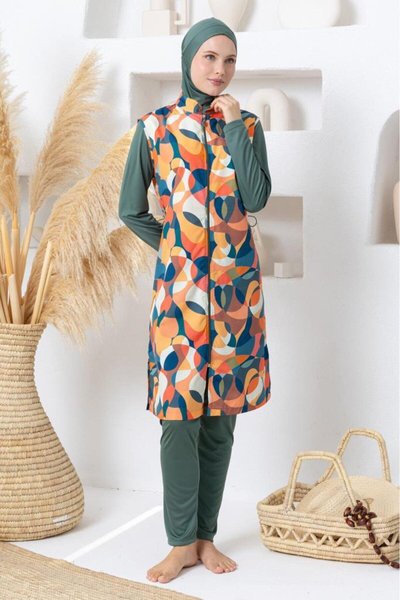
These burkinis are filtered to green colorways only — from brighter greens to muted olive-adjacent tones. Fabrics are predominantly polyester, with some parachute fabric options also present. Sizes run from S to 6XL. If you're looking for a specific color rather than browsing the full range, you're in the right place.
- Size
- Color
- Advantages
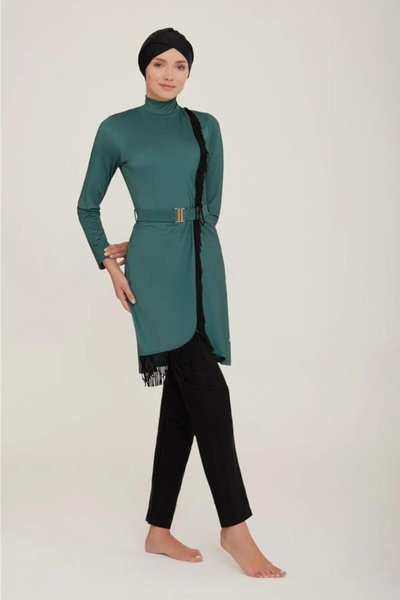
Fabrics Used in These Burkinis
Polyester makes up the majority of the selection here. For swimwear, this is a practical choice: polyester dries relatively quickly, holds its shape after repeated wetting, and resists chlorine and saltwater degradation better than natural fibers. A smaller portion of the range is made from parachute fabric, which is a lightweight synthetic known for its low water absorption — meaning it doesn't weigh down significantly when wet. Neither fabric is particularly breathable in dry heat, but both perform well in water-based environments, which is the primary use case for burkinis.
Styling and Color Combinations
The green tones in this selection range from standard green through to olive. Black details or black undersleeves, where included, create straightforward contrast. If you're coordinating a swim cap or additional layers, navy and white tend to sit cleanly alongside most green shades. Olive-toned pieces work well paired with neutral sand or ecru accessories. For a more defined look at the water's edge, darker greens pair with black headgear without competing visually. Browse the full burkinis range if you'd prefer to compare across colors before narrowing down.
Sizing Notes
The size range here runs from S to 6XL. In larger sizes, burkini designs with drawstring or elasticated waistbands tend to offer a more secure fit during movement in water than fully unstructured pull-on styles. If fit around the torso is a priority, checking individual product measurements against a body measurement chart will give more reliable results than relying on size labels alone, since sizing conventions vary across the brands represented here.
How should green burkinis be washed?
Most burkinis here are made from polyester or parachute fabric, both of which respond best to a cold or lukewarm machine wash on a gentle cycle, or hand washing. Avoid tumble drying, as sustained heat can distort the fabric's elasticity over time. After swimming in chlorinated water, rinsing the burkini with fresh water before washing helps preserve the color and fabric integrity.What headscarf or swim cap color pairs well with a green burkini?
For standard greens, a black or white swim cap offers clean contrast without visual noise. Navy is another stable pairing. For olive-toned burkinis specifically, neutral tones such as ecru, sand, or taupe sit naturally alongside the color rather than competing with it. Bright or saturated secondary colors tend to clash with olive in particular, so neutral choices are generally the more reliable option.What season are green burkinis typically worn in?
Burkinis are primarily warm-weather swimwear, suited to summer sea or pool use. Polyester and parachute fabric — the main materials in this selection — are not insulating, so they aren't suited to cold-water swimming without additional layering underneath. For indoor heated pool use, the season is less of a factor, and these fabrics perform consistently year-round in that context.