
Polyester Burkinis
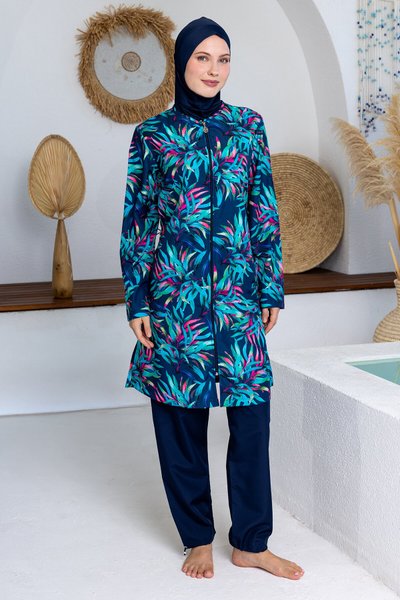
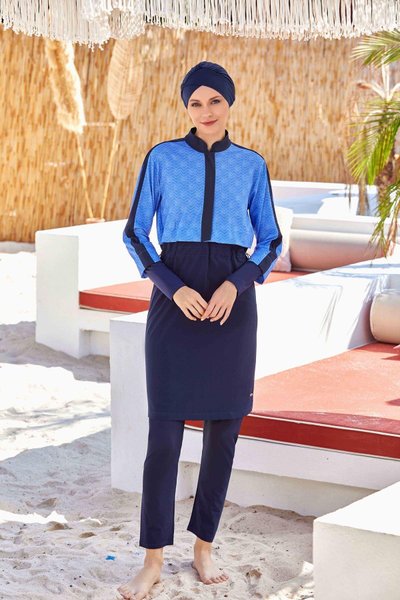
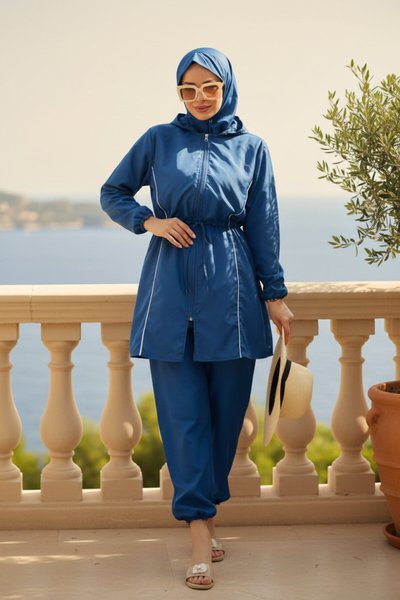
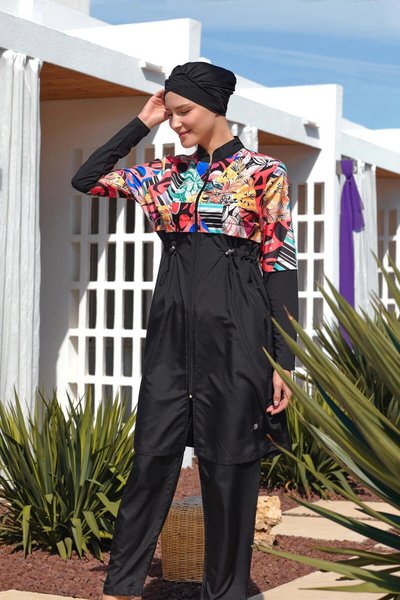
Polyester burkinis are listed here from brands that specialize in modest swimwear. These models are made from polyester fabric, which is widely used in swimwear for its resistance to water, chlorine, and repeated use. Black and navy blue are the dominant colors available, with additional options in orange, green, and white. Standard and plus sizes are both represented.
- Size
- Color
- Advantages
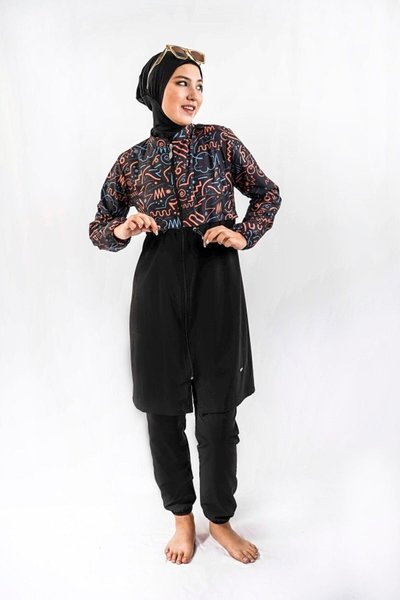
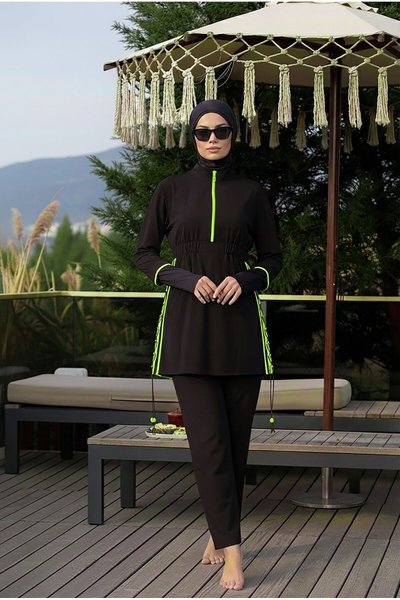
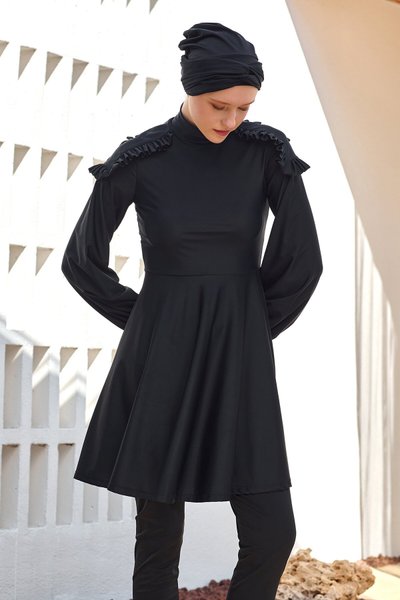
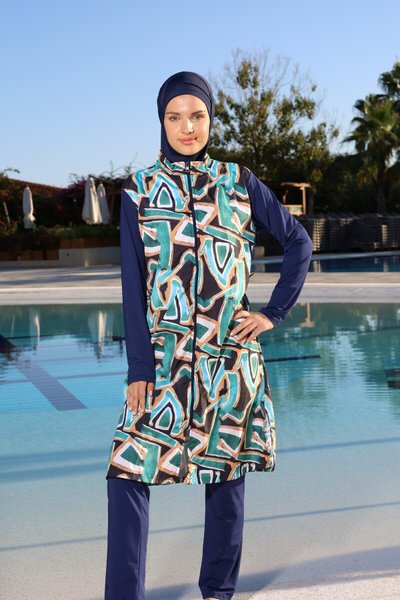
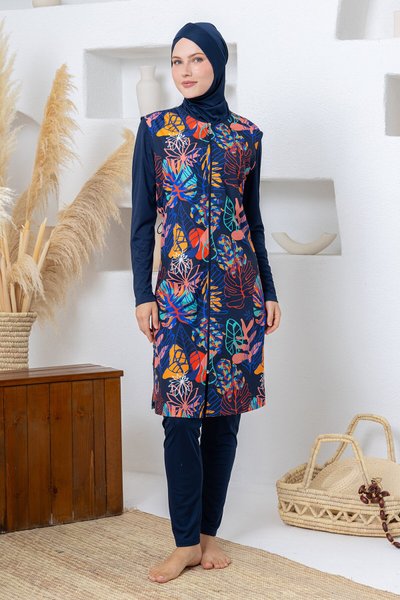
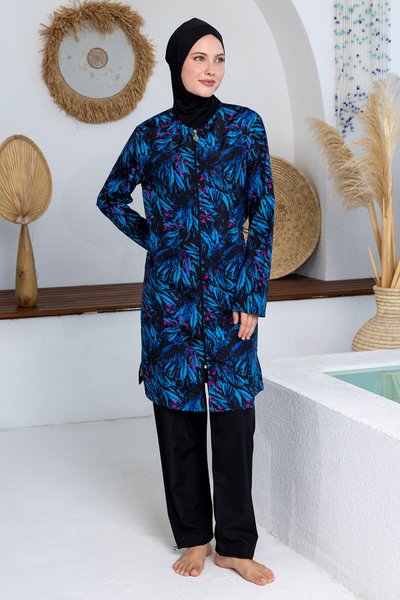
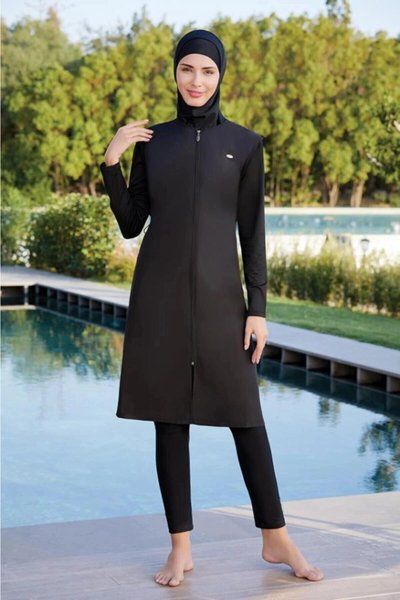
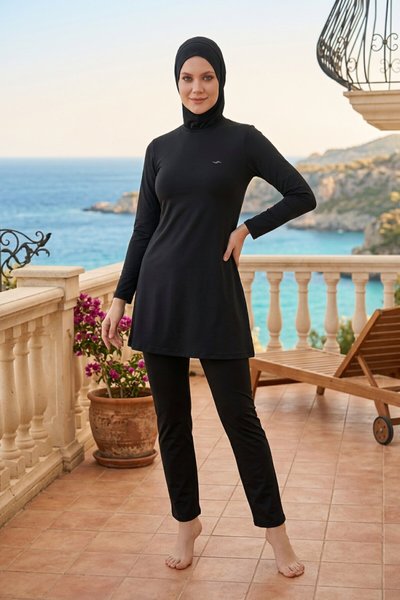

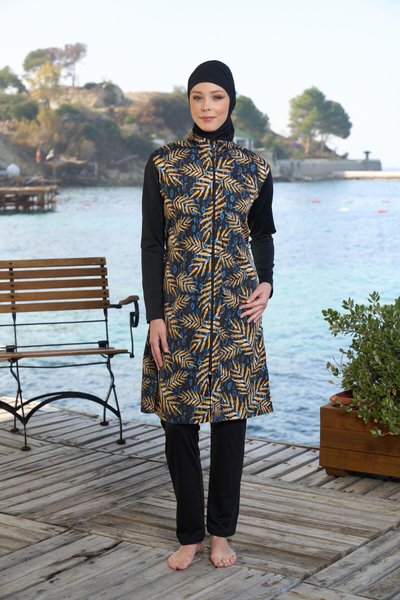
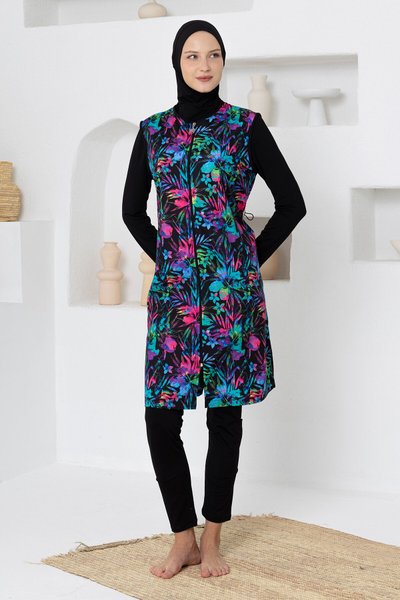
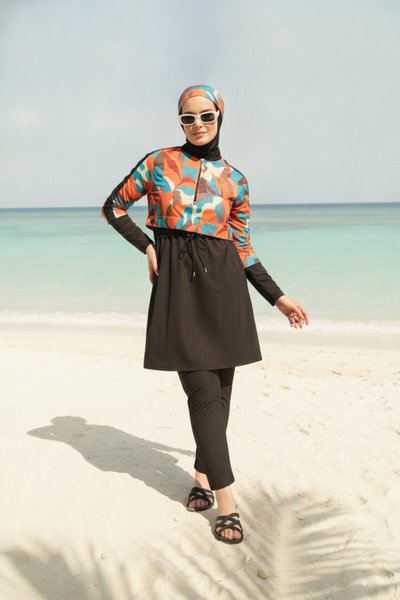
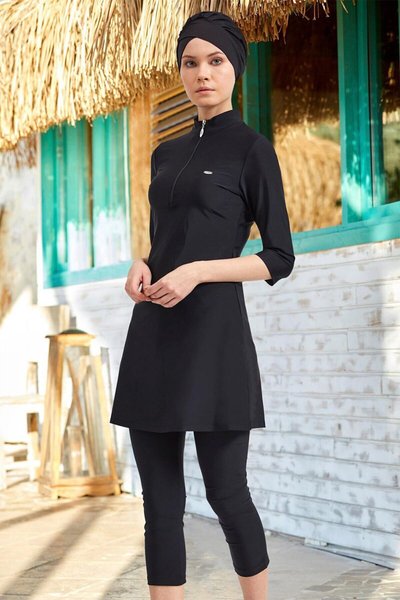
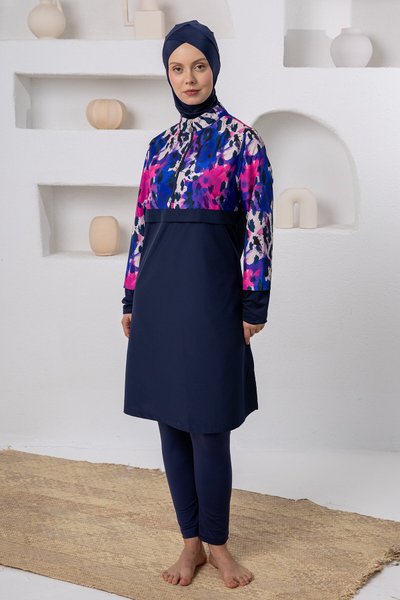
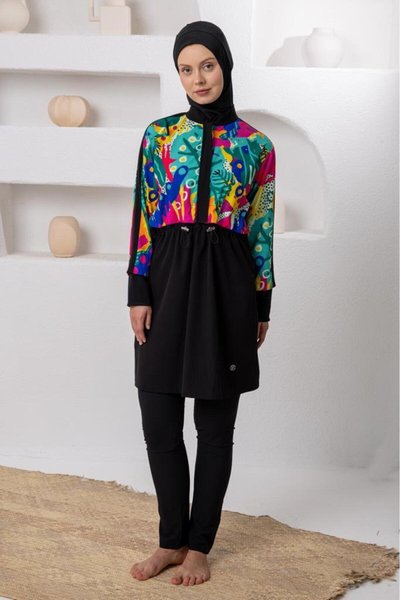
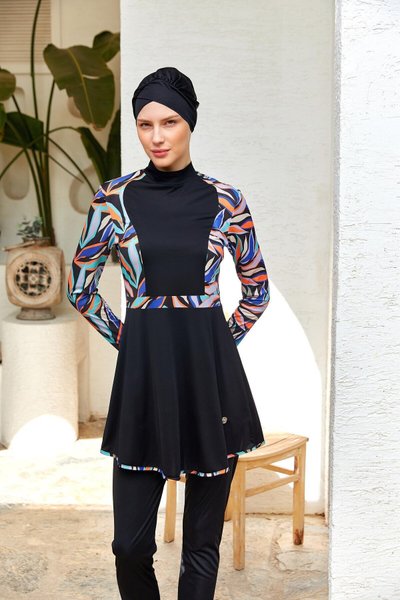
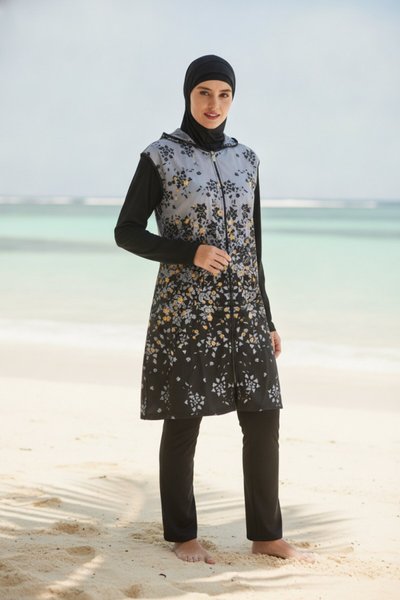
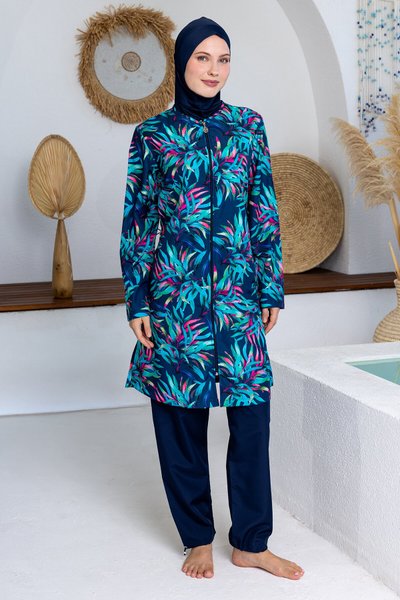
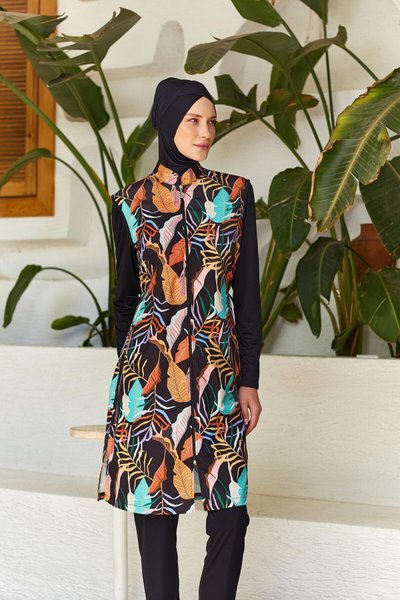
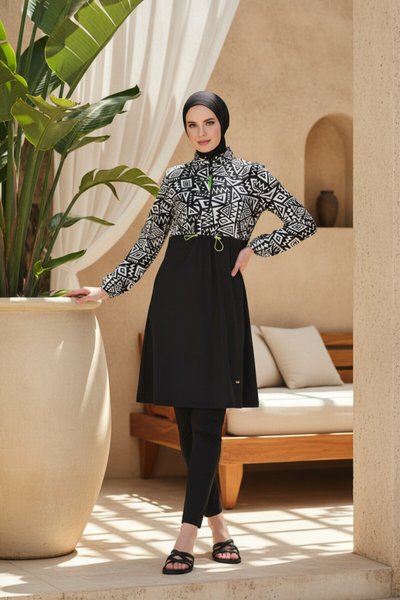
What Polyester Offers in a Burkini
Polyester is a practical choice for a burkini fabric. It dries relatively quickly after leaving the water, holds its shape over repeated use, and resists fading from chlorine and sun exposure better than many natural fibers. It does not absorb water the way cotton does, which means the garment stays lighter during swimming. Some polyester fabrics used in swimwear also include a small percentage of elastane for stretch and ease of movement, though the material listed here is polyester-dominant. For swimming in pools or open water, this fabric is a functional and low-maintenance option.
Colors and Sizing
Black is by far the most available color in this selection, followed by navy blue. Both are straightforward to pair with matching or contrasting swim accessories. Smaller quantities are available in orange, green, yellow, white, and olive. Plus sizes are included in this selection alongside standard sizing, covering a meaningful portion of the range. For larger sizes, models with a looser upper fit or an integrated tunic layer tend to allow more comfortable movement in the water. You can explore the full range of modest swimwear options in the burkinis category.
Where These Burkinis Are Suited
Polyester burkinis are suitable for pool use, sea swimming, and water parks. They are not designed for athletic or competitive swimming, where tighter technical fabrics are typically used. The coverage provided by a standard burkini — full sleeves, full legs, and an attached or integrated hood — makes this a practical option for modest swimwear in any setting where swimming takes place.
How should polyester burkinis be washed and cared for?
Polyester burkinis should be rinsed in cold water immediately after swimming, especially after pool use, to remove chlorine or salt. Machine washing on a gentle cycle at 30°C is generally suitable, but checking the care label on each item is recommended. Avoid tumble drying and direct iron contact, as high heat can distort polyester fabric.Are polyester burkinis suitable for summer use in warm water?
Polyester does not breathe the way natural fibers do, but for swimwear this is less of a concern since the garment is worn in water rather than in open air. In warm seawater or heated pools, polyester remains functional and does not become significantly heavier with water absorption. For extended time outside the water in hot weather, a lighter cover-up worn over the burkini may add comfort.Can polyester burkinis be returned if the size is not right?
Each seller on Devr-i Tesettür sets their own return conditions, which are stated on the individual product page. Before purchasing, it is recommended to review the return policy listed on the specific product page, as conditions vary between brands.