
Parachute Fabric Burkinis
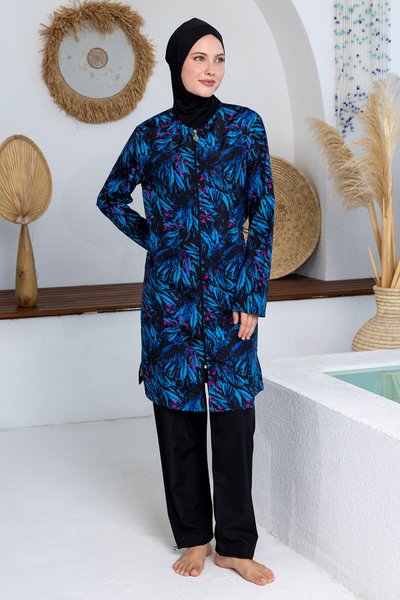
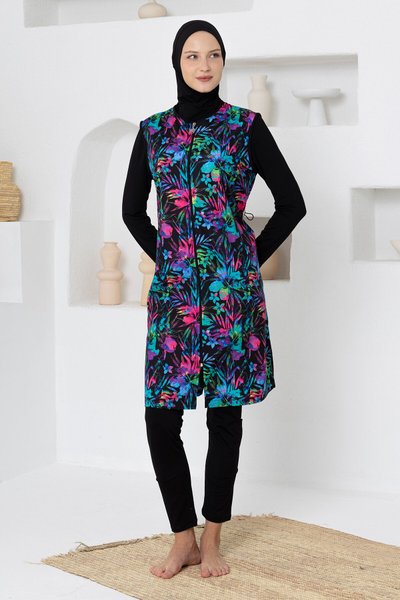
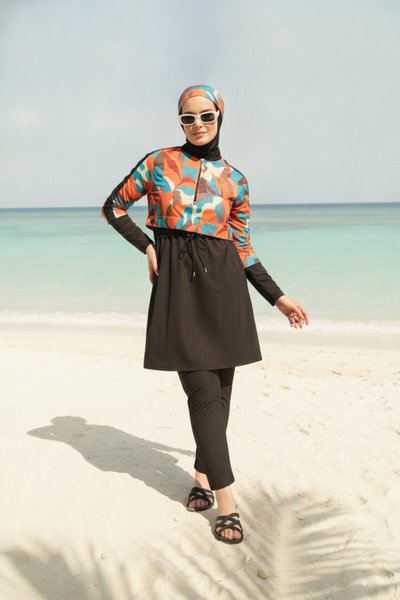
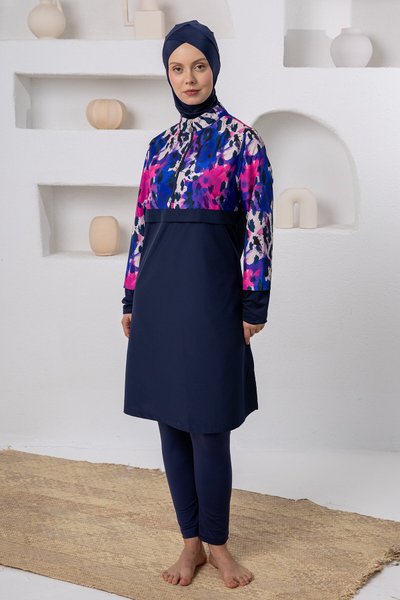
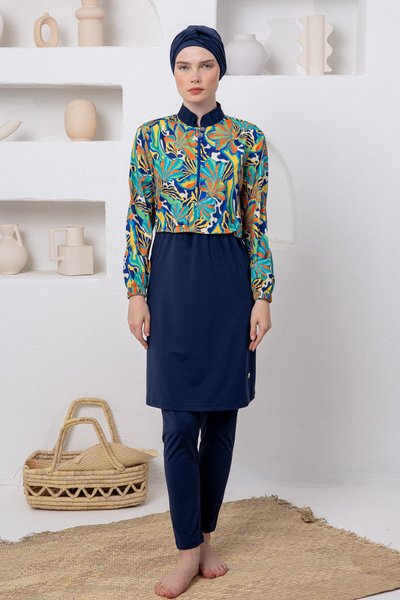
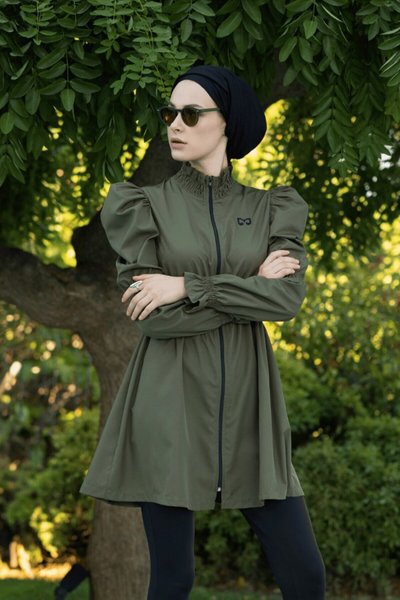
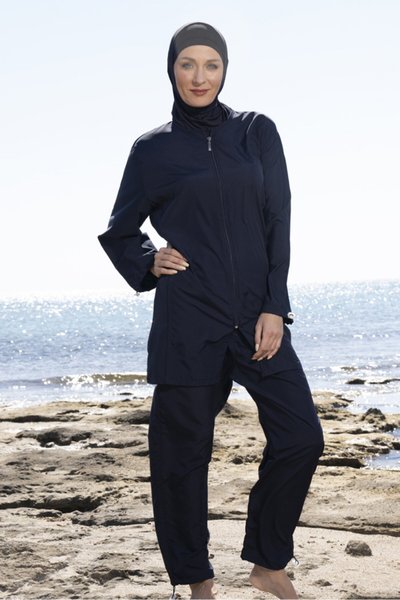
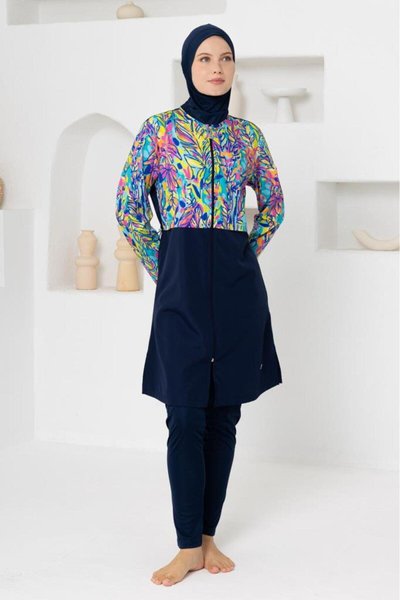
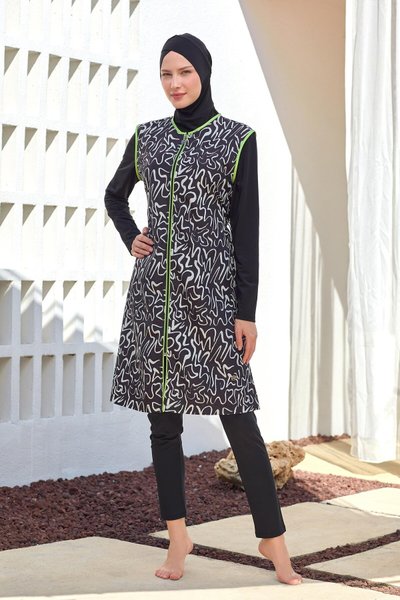
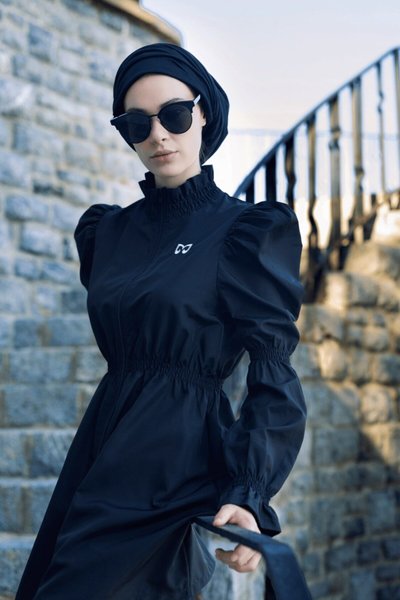
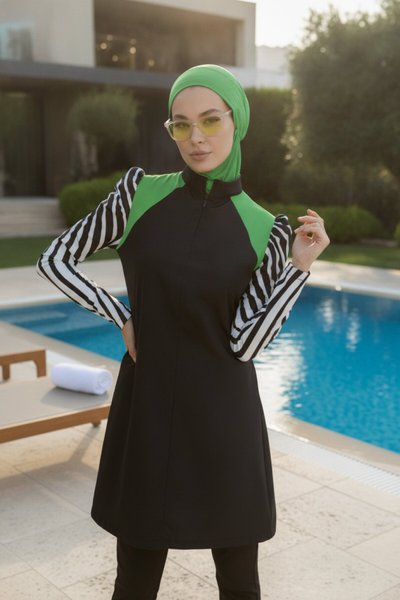
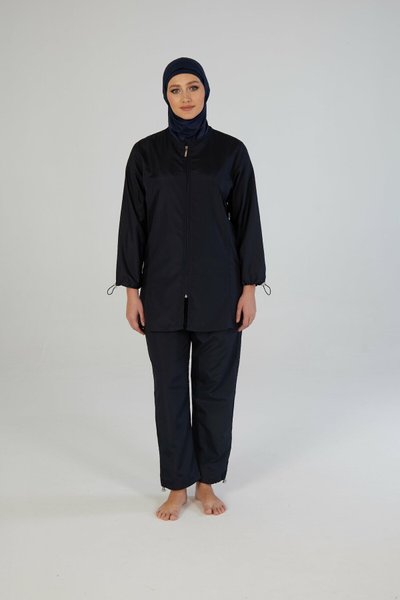
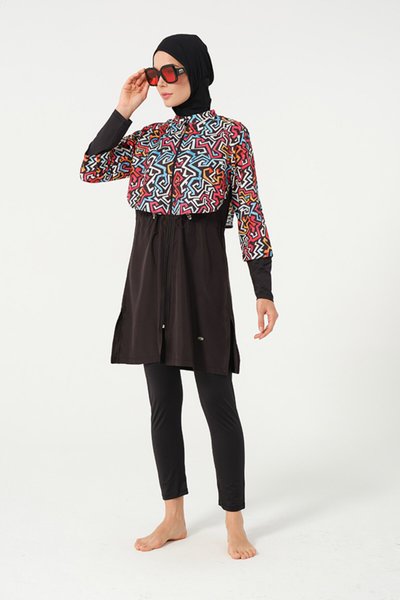
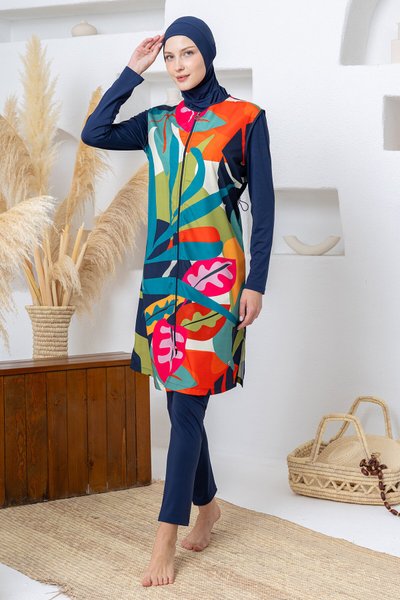
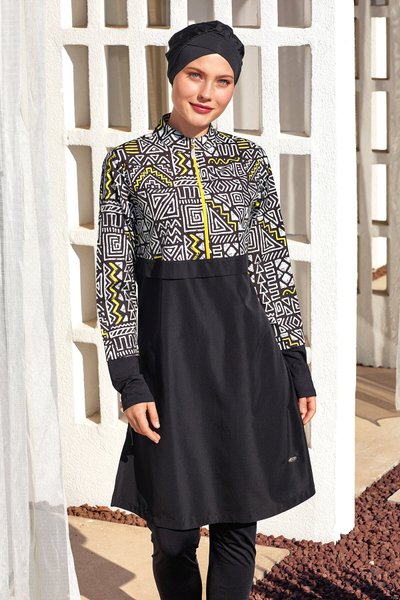
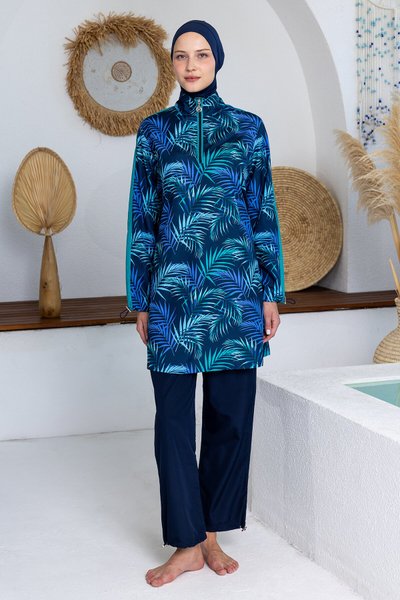
Parachute fabric burkinis are made from a tightly woven synthetic material that resists water absorption, dries quickly, and maintains its shape through repeated use. All options here are made from parachute fabric, which makes them suited to both pool and open-water settings. Colors run from black and navy blue through to white, orange, and green, with plus-size coverage from S through to size 38.
- Size
- Color
- Advantages
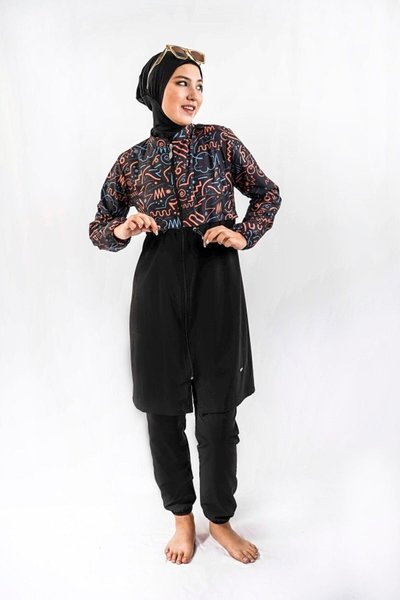
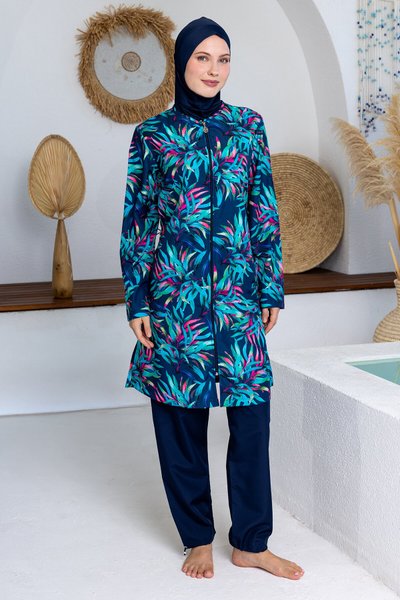
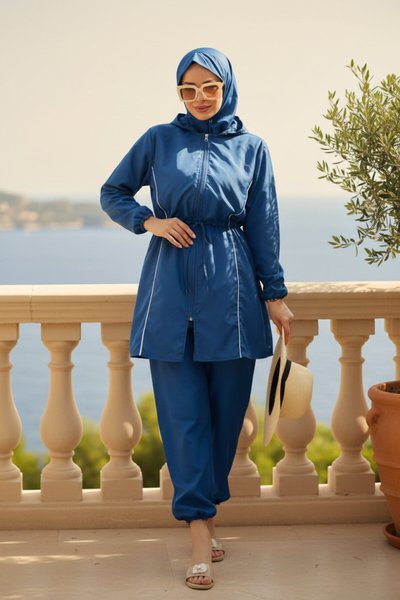
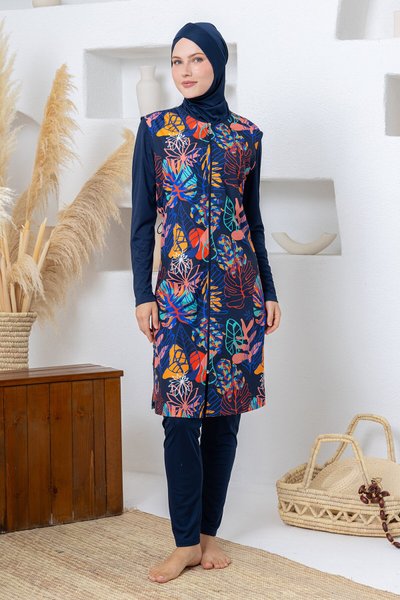
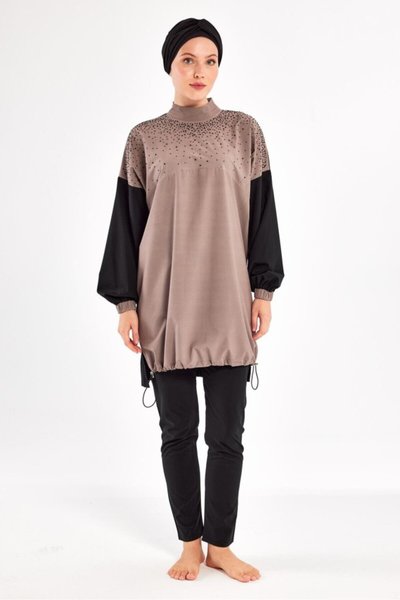
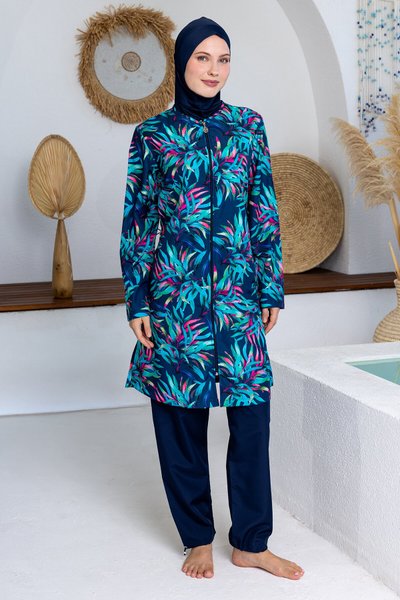
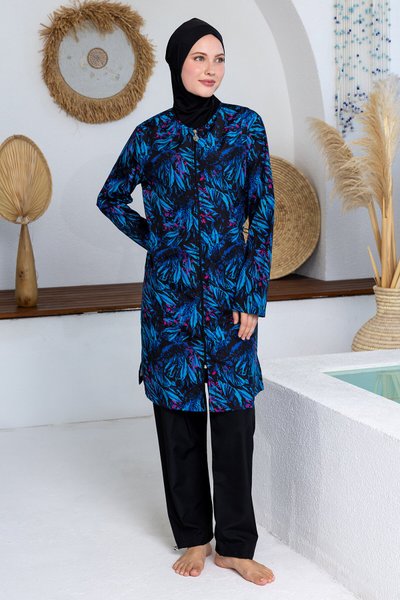
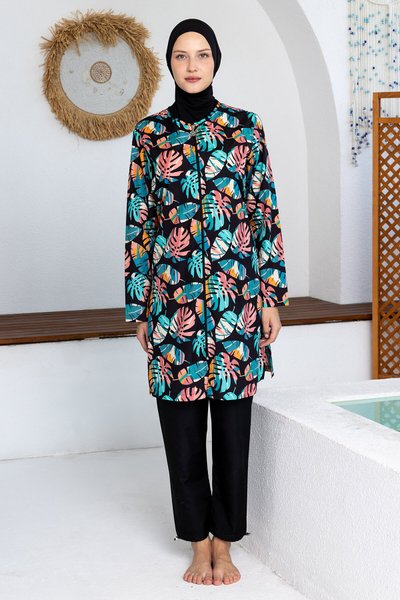
What Parachute Fabric Offers in a Burkini
Parachute fabric is a low-absorption, fast-drying weave. In a burkini, this means the garment doesn't become heavy when wet and retains its opacity throughout use. Most options here are also made with a polyester-dominant base layer, which adds stretch and helps the fabric move with the body rather than against it. One cotton-blend option is available for those who prefer a softer feel against the skin, though cotton absorbs more water and takes longer to dry. For regular pool or sea use, parachute fabric is the more practical choice among the materials available here.
Color Options and Headscarf Pairing
Black is the most common color across these burkinis, followed by navy blue and white. For black or navy burkinis, a contrasting white or light grey swim hijab creates clear visual definition. White burkinis pair well with navy or black headwear to avoid a washed-out effect in bright light. Orange and green options are less common but work well with dark neutral headwear. For broader context on burkini styles and fabric types, the burkinis section covers additional materials and construction options.
Size Range and Fit Notes
These burkinis are available from size S through to size 38, with plus-size fits included. For larger sizes, looser tunic-style tops paired with elasticated trousers provide better ease of movement in water than fitted two-piece constructions. A-line or relaxed-hem tops also reduce fabric pull when swimming. Sizing tends to follow standard Turkish garment measurements, so checking the size guide on individual product pages is recommended before purchase.
How should parachute fabric burkinis be washed?
Parachute fabric should be rinsed in cold fresh water immediately after use to remove chlorine or salt. Machine washing on a gentle cycle at 30°C is generally safe, but line drying is recommended over tumble drying, as high heat can affect the fabric weave and any elastic components over time.Which headscarf colors work well with these burkinis?
For black and navy burkinis, white, ivory, or light grey swim hijabs create a clean contrast. White burkinis are better paired with darker headwear such as navy or charcoal to maintain definition. Orange and green burkinis pair naturally with dark neutrals like black or brown, which anchor the brighter body color without competing with it.What season are parachute fabric burkinis suited to?
Parachute fabric performs best in warmer months when quick drying is a priority — typically late spring through early autumn. In cooler water temperatures, the fabric's low insulation means it won't retain body heat, so it is not recommended for cold-season open-water swimming. For heated indoor pools, it can be used year-round comfortably.