
Blue Half Coverage Swimsuits
These are half coverage swimsuits filtered to blue colorways — made in polyester, for modest wear, and sized from S to 2XL. The coverage comes from the construction of the swimsuit itself rather than add-on layers, and the brands listed here produce specifically for modest swimwear. If blue is your starting point, you are in the right place.
- Size
- Color
- Advantages
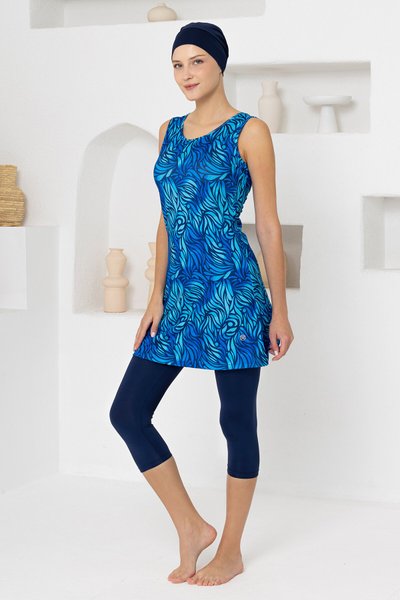
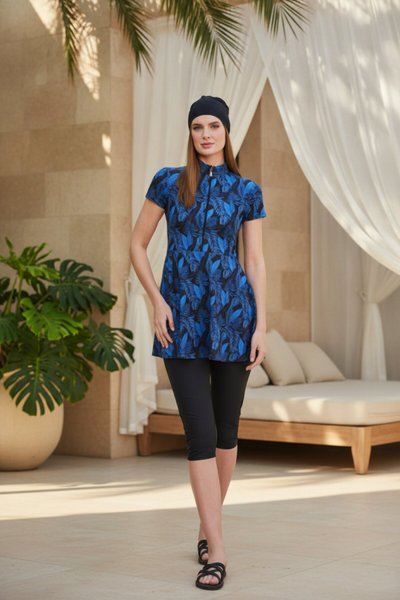
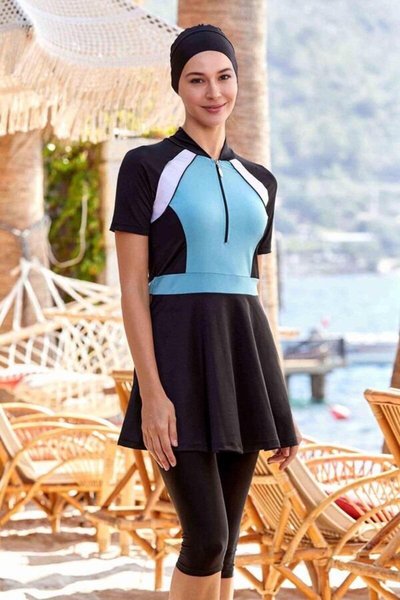
Fabric and What It Means in the Water
All blue half coverage swimsuits here are made in polyester. For swimwear, that is a practical choice: polyester resists chlorine and salt water better than cotton-blend fabrics, holds its shape after repeated use, and dries relatively quickly. It does not absorb water the way natural fibers do, which means the swimsuit stays close to its original weight while you are in the water. Polyester also holds color well, so the blue tones — whether mid-blue, navy, or brighter shades — are less likely to fade with regular use.
Size Range and Cut
Sizes run from S to 2XL across the available models. For those shopping in the larger end of that range, half coverage swimsuits with structured or slightly relaxed upper construction tend to distribute coverage more evenly. A swimsuit with a defined waistband or a slightly looser upper section offers more consistent fit across sizes. If you are between sizes, sizing up is the more functional choice for swimwear, particularly for coverage and ease of movement. Browse the full half coverage swimsuits section if you want to compare options beyond the blue filter.
Wearing Blue: Practical Styling Notes
Blue half coverage swimsuits pair cleanly with neutral cover-ups — ecru, white, or sand-toned kaftans and tunics sit well against mid-blue and navy without competing. For a headscarf worn at the beach or poolside, light grey, white, or stone tones work with most blue shades. Turquoise-adjacent blues work particularly well with white cover-up layers. Navy blue models are the most versatile in terms of layering options, as they read as a near-neutral against most colors. Black cover-ups contrast sharply against brighter blues and create a more defined look if that is the preference.
How should blue half coverage swimsuits in polyester be washed?
Polyester swimwear should be rinsed in cold water immediately after use to remove chlorine or salt water. Machine washing is possible on a gentle cycle in cold water, but hand washing extends fabric life. Avoid tumble drying — lay flat or hang to air dry. High heat degrades polyester fibers and can cause the fabric to lose its shape over time.Which headscarf or cover-up colors pair well with a blue half coverage swimsuit?
White, ecru, and light grey are the most straightforward pairings for mid-blue and navy models. Stone and sand tones also work well without creating a clash. For brighter or turquoise-leaning blues, white is the most reliable option. Black creates a strong contrast with any blue shade and is a practical choice if you prefer a defined layered look.Is polyester half coverage swimwear suitable for both pool and sea use?
Yes. Polyester holds up well in both chlorinated pool water and salt water, which is one reason it is the dominant fabric in purpose-made modest swimwear. It resists fading and maintains its shape better than cotton or cotton-blend alternatives in repeated aquatic use. Rinsing the swimsuit thoroughly with fresh water after each sea or pool session will extend its lifespan.