
Polyester Half Coverage Swimsuits
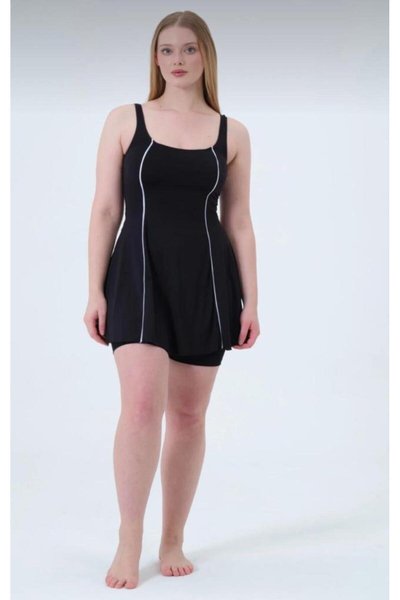
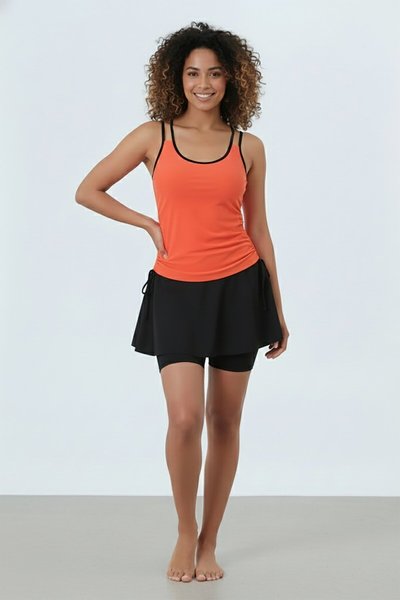
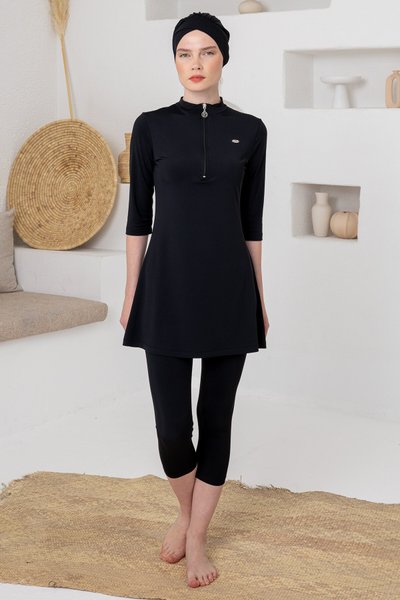
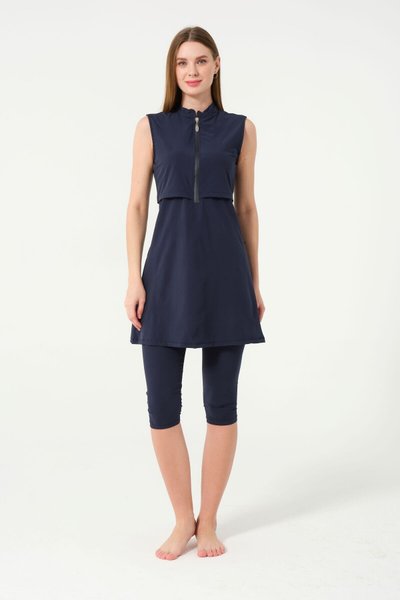
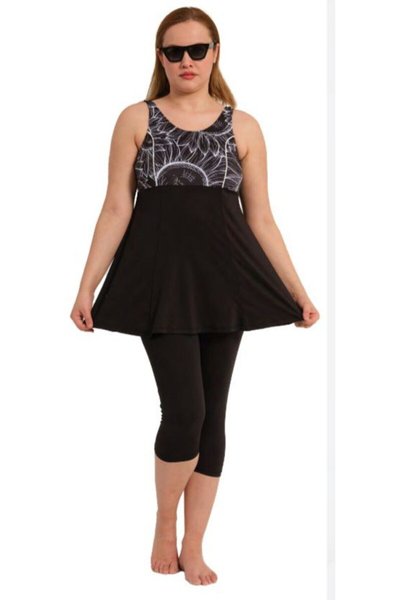
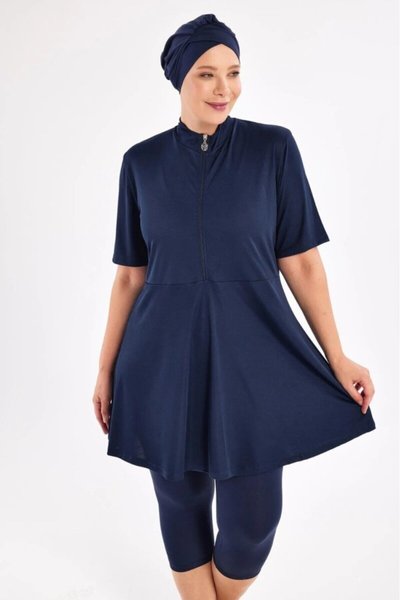
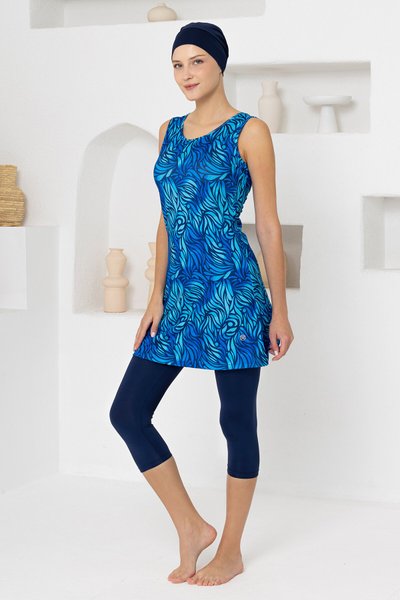
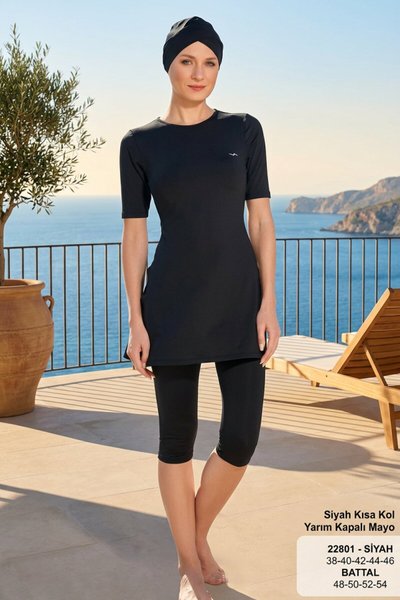
Polyester half coverage swimsuits are listed here, filtered to show only polyester construction. These swimsuits sit between standard modest swimwear and full coverage options, typically pairing a longer tunic-style top with leggings or extended shorts. The polyester fabric used across these models is water-resistant, fast-drying, and retains its shape after repeated use in pools or open water.
- Size
- Color
- Advantages
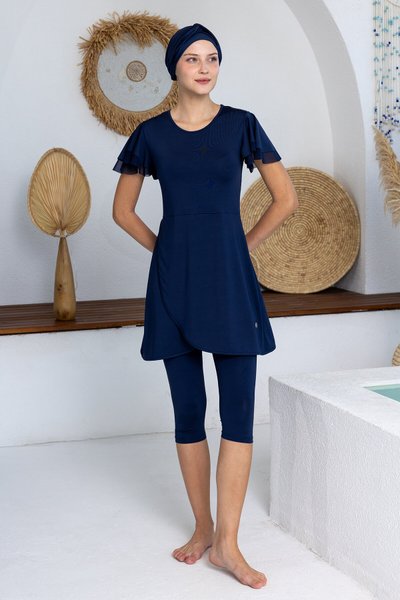
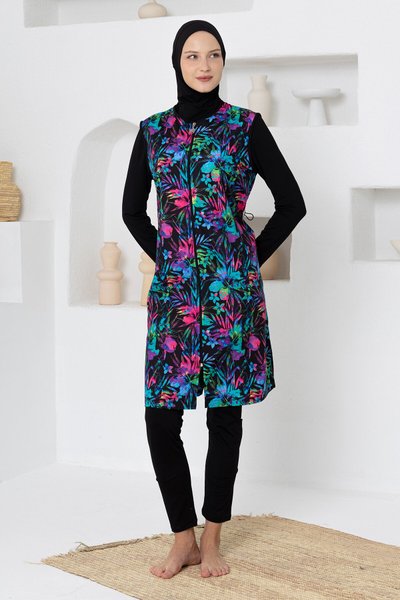
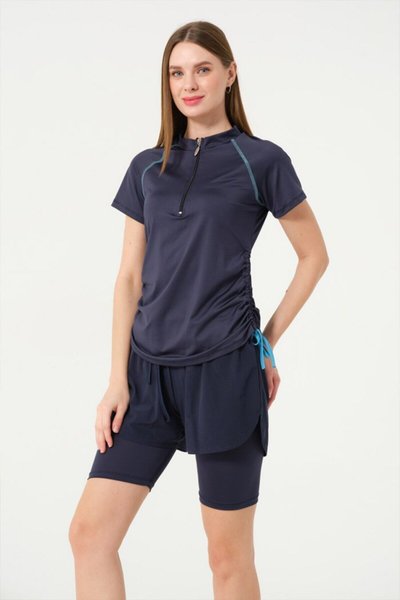
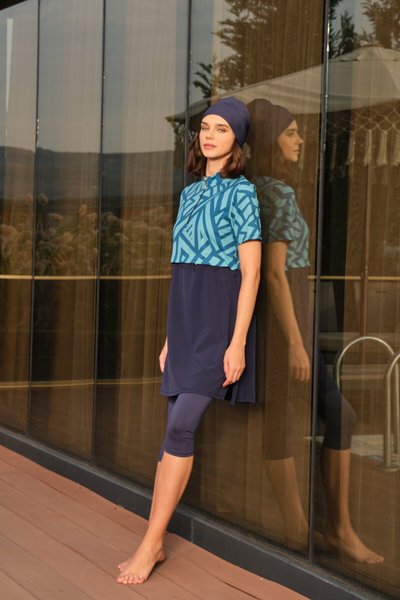
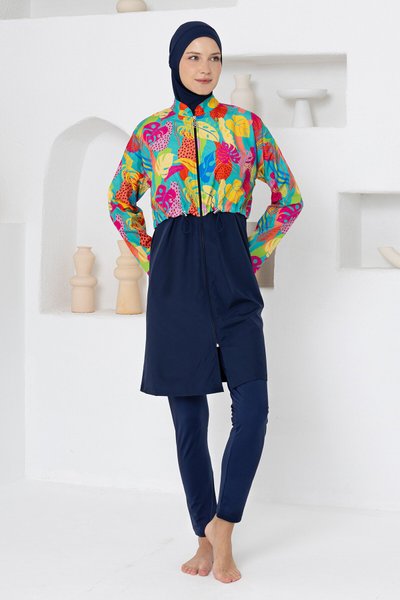
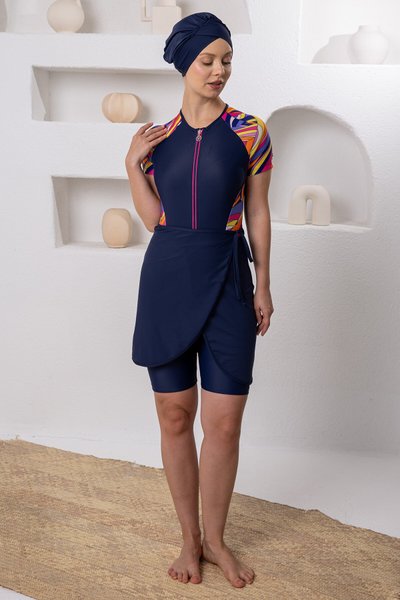
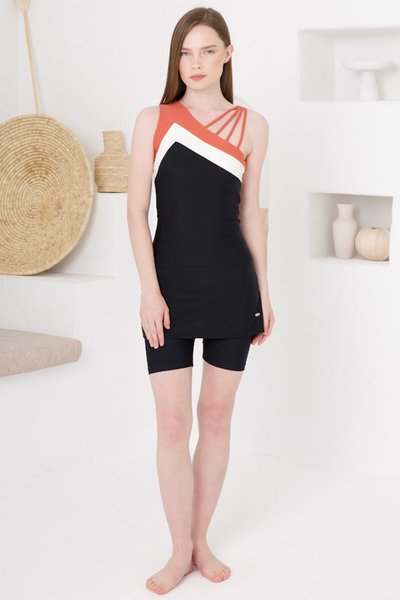
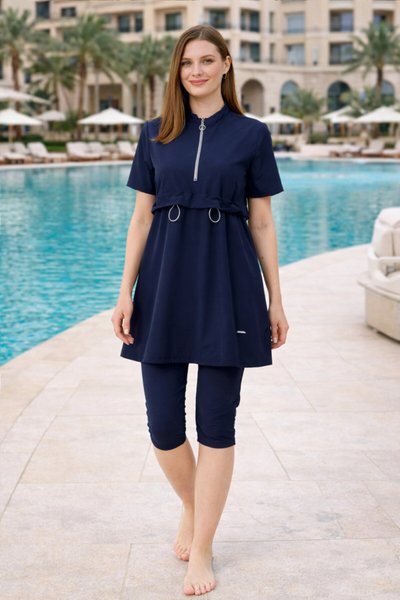
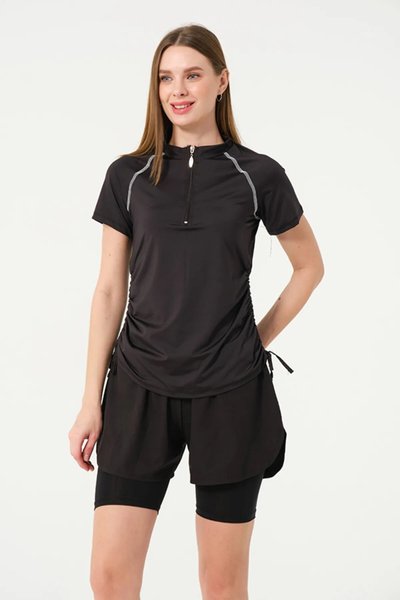
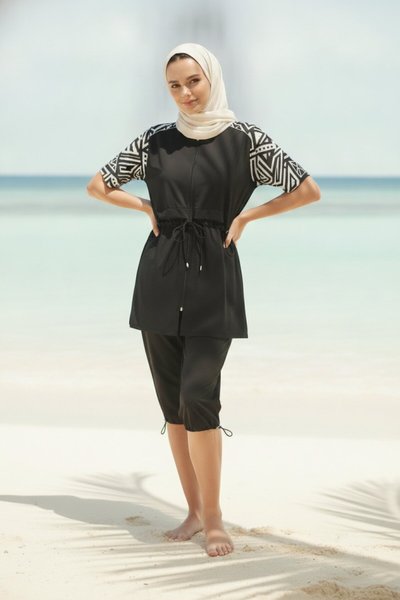
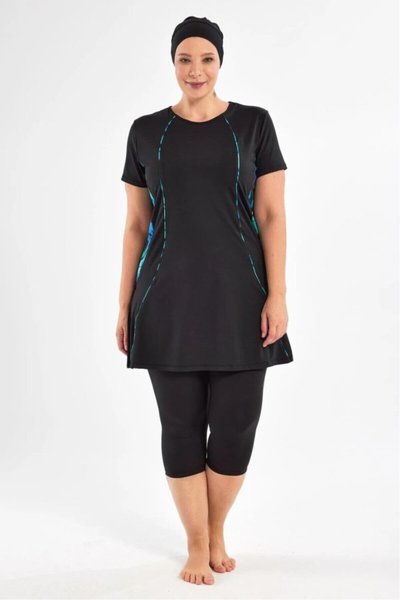
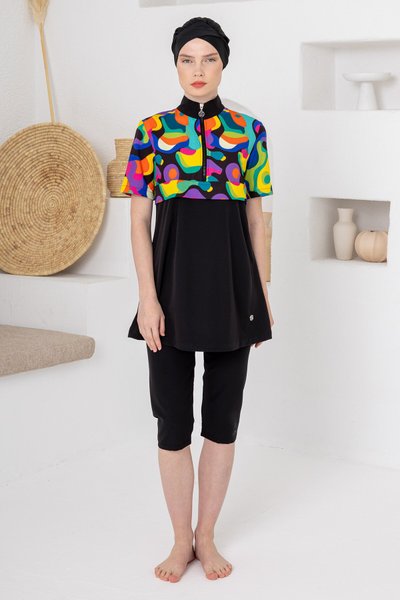
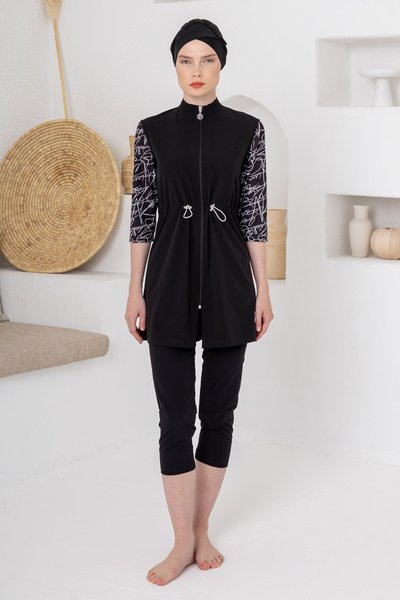
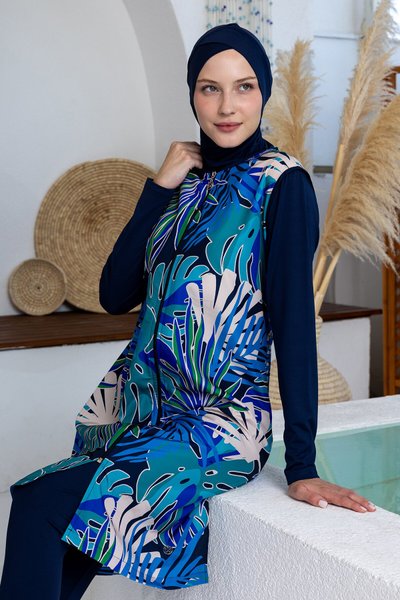
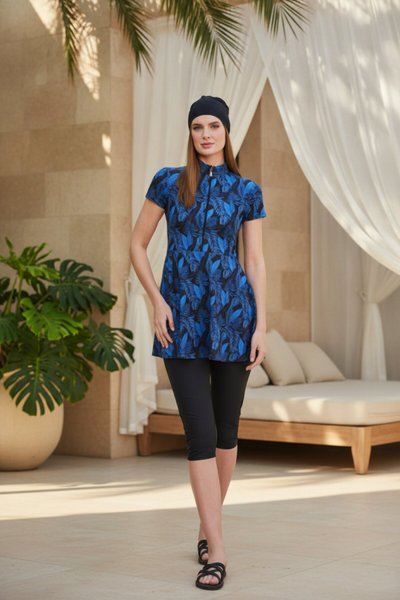
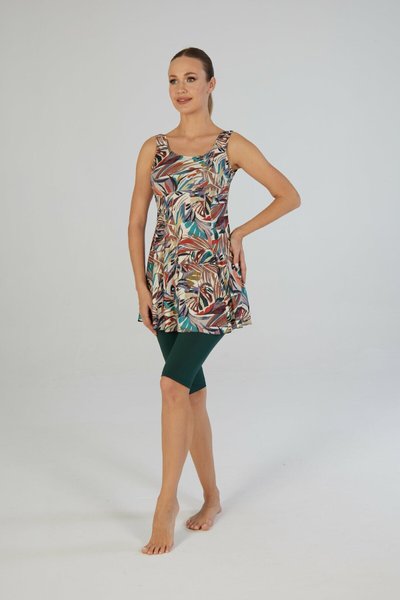
What Polyester Offers in Half Coverage Swimwear
Polyester is the dominant fabric across these swimsuits, used in all listed models. In a swimwear context, this matters practically: polyester resists chlorine degradation better than natural fibers, dries faster after water exposure, and does not cling heavily when wet. The fabric holds color well over time, which is particularly relevant given that black and navy blue are the most represented colorways here — both are prone to fading in chlorinated water with lower-quality materials. For open-water use, polyester's quick-dry property also reduces the weight of the garment during and after swimming. Some models within half coverage swimsuits also incorporate parachute fabric at select points for added durability at stress areas.
Color Options and Coordination
Black is the most widely available color in this selection, followed by navy blue and white. For those who prefer a coordinated look near the water, a black swimsuit pairs straightforwardly with a navy or charcoal swim hijab. Navy blue models work well with white or light gray headscarf options. White models are less common here but pair cleanly with black or navy accessories. Turquoise and orange options are also available for those who prefer color, and these coordinate naturally with neutral black or sand-toned swim caps and accessories.
Sizing: S to 54
These swimsuits are available from size S through 54, covering a broad range including plus sizes. For sizes 44 and above, models with longer tunic tops and relaxed-fit leggings tend to offer more ease of movement and comfort in water. A-line or straight-cut tunic silhouettes in this size range distribute coverage evenly without restricting arm movement. It is worth checking individual product pages for size charts, as fit can vary between brands even within this material category.
How should polyester half coverage swimsuits be washed?
Polyester swimsuits should be rinsed in cold fresh water immediately after use, especially after pool swimming, to remove chlorine residue that can degrade the fibers over time. Machine washing on a gentle cycle with cold water is generally safe, but hand washing prolongs the garment's lifespan. Avoid tumble drying and direct heat, as high temperatures can distort the fabric's shape and elasticity. Always check the individual product's care label, as construction details such as added lining or parachute fabric panels may have specific requirements.Which hijab or headscarf colors work well with these swimsuits?
Since black is the most available color in this selection, a navy blue, charcoal, or deep burgundy swim hijab creates a tonal, low-contrast pairing. For navy blue swimsuits, white or light gray swim hijabs offer a clean contrast without visual conflict. If choosing a turquoise or orange model, a neutral black or off-white swim cap keeps the coordination simple. Bright or heavily patterned swim hijabs tend to compete visually with already colorful swimsuit options, so a solid color is the more practical choice.Which season are polyester half coverage swimsuits suited for?
These swimsuits are designed for warm-weather use — primarily spring and summer — when swimming or beach activity is most common. Polyester does not provide thermal insulation, so it is not suited for cold-water or winter use without a wetsuit layer underneath. In very high heat, polyester can feel warmer against the skin compared to natural fibers, but its quick-dry performance and resistance to sagging when wet make it practical for active summer swimming.