
Parachute Fabric Half Coverage Swimsuits
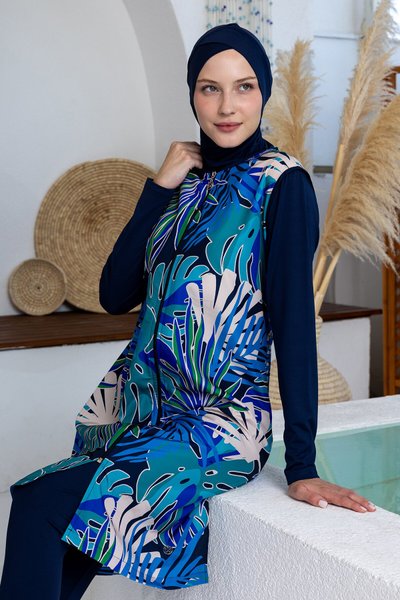
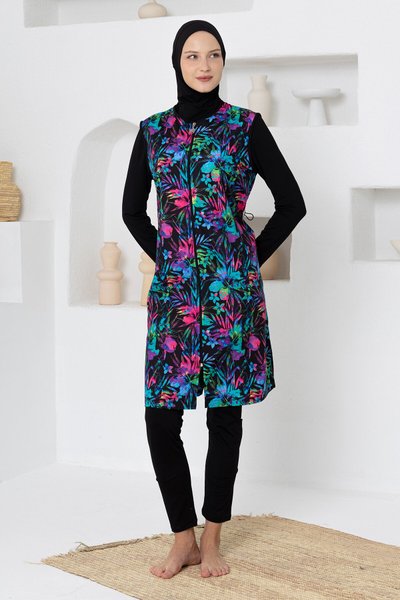
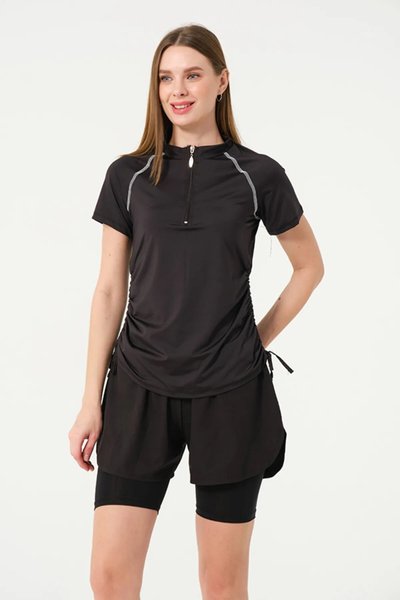
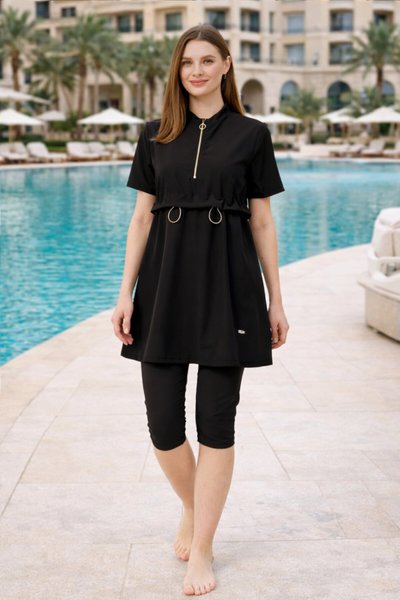
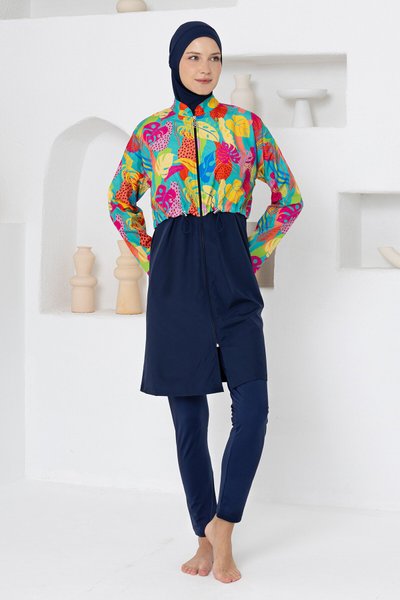
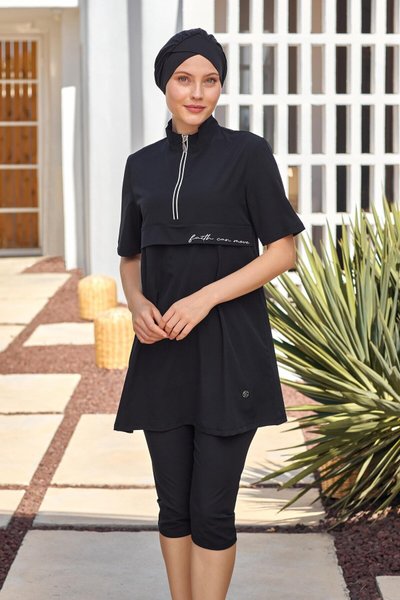
These half coverage swimsuits are made from parachute fabric — a lightweight, quick-drying synthetic material commonly used in modest swimwear. Available in black, navy blue, and pink, and sized from S to 2XL, they are produced by brands that design specifically for modest wear rather than adapting conventional swimsuit patterns.
- Size
- Color
- Advantages
What Parachute Fabric Offers in Swimwear
Parachute fabric is a tightly woven synthetic material that dries quickly, resists water absorption, and holds its shape after repeated use in pools or the sea. In the context of modest swimwear, these properties are practical: the fabric does not cling heavily when wet, which supports coverage throughout wear. It is also relatively light, which matters when layering with leggings or a separate swim tunic. The material is not particularly stretchy, so sizing should be checked carefully — these swimsuits run from S to 2XL, including options suited to larger frames.
Sizing and Fit Considerations
The size range here extends to 2XL, covering a broad span of body types. Because parachute fabric has limited stretch, a relaxed or slightly generous fit tends to work better than a close-cut one. Models with drawstrings, elastic waistbands, or a looser silhouette through the torso offer more freedom of movement in water. For a look at the wider half coverage swimsuit category beyond this fabric filter, visit the half coverage swimsuits section.
Color and Headscarf Combinations
Black is the most straightforward option for pairing — a white or ivory swim hijab creates a clean contrast, while a navy blue one stays tonal. Navy blue swimsuits work well with light grey, ecru, or white headwear. The pink option pairs naturally with dusty rose, white, or ivory tones for a cohesive look. Avoid pairing bright or clashing headscarf colors with these base tones, as the swimsuit silhouette already involves several separate pieces.
How should parachute fabric half coverage swimsuits be washed?
Parachute fabric swimsuits should be hand-washed in cold water immediately after use, especially after swimming in chlorinated pools or saltwater, as both can degrade the fabric over time. Use a mild detergent and avoid wringing — lay flat or hang to air dry away from direct sunlight. Machine washing on a delicate cycle is possible but shortens the lifespan of the material.Which headscarf colors work with parachute fabric half coverage swimsuits in black, navy blue, or pink?
For black swimsuits, white, ivory, or light grey swim hijabs provide a clear contrast without competing visually. Navy blue pairs well with ecru, light blue, or white. The pink option is best paired with dusty rose, white, or ivory tones that stay in the same cool-to-neutral range rather than introducing strong secondary colors.What season are parachute fabric half coverage swimsuits suited for?
Parachute fabric is primarily suited to summer use — it is designed for water activities and performs well in warm weather due to its quick-dry and lightweight properties. It is not a thermally insulating material, so it is not practical for cooler water temperatures or spring swimming without additional layering.