
Pink Half Coverage Swimsuits
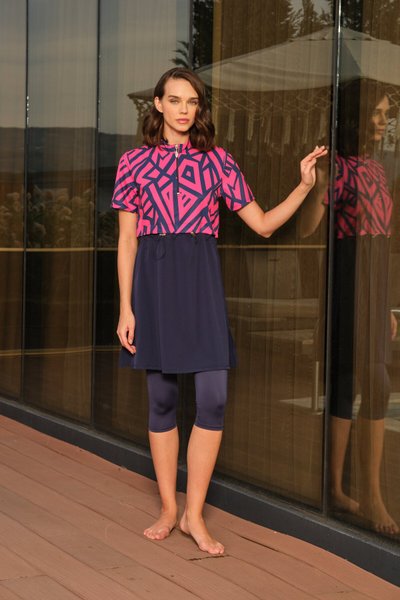
Pink half coverage swimsuits listed here are produced specifically for modest swimwear, not adapted from standard swimsuit designs. Available in polyester and parachute fabric, and sized from S to 2XL, these options are sourced from brands that build for modest coverage from the pattern stage. Filter is set to pink, so all visible options reflect that color selection.
- Size
- Color
- Advantages
Fabric and Construction
The swimsuits listed here are primarily built from polyester, which holds its shape when wet, dries relatively quickly, and resists chlorine better than natural fibres. Parachute fabric also appears in the selection — it is a lightweight, tightly woven synthetic that reduces drag in water and provides a degree of opacity even when saturated. For half coverage swimsuits, fabric opacity when wet matters more than it does in dry-wear categories, and both polyester and parachute fabric perform reasonably well in this regard. Neither fabric is particularly breathable outside the water, so poolside comfort in direct sun should be considered when choosing between them.
Styling and Color Pairing
Pink half coverage swimsuits work with a range of cover-up tones. A white or cream kaftan or tunic worn over the swimsuit creates a clean, low-contrast look. Navy blue or dark teal cover-ups offer a stronger contrast against pink. For headscarf pairing at the beach or poolside, dusty rose, ivory, or light navy are all workable matches with most pink shades. Avoid pairing with very warm oranges or reds if the pink in question leans cool or fuchsia. These are swimwear pieces and are not designed to transition into other settings. For the broader half coverage swimsuits range without a color filter applied, additional color options are available.
Sizing Notes
Sizes run from S through 2XL, which includes larger-size options. In half coverage swimsuits, a slightly roomier cut through the torso and hip allows for easier movement in water. If you are between sizes, sizing up typically provides better coverage and more comfortable range of motion. The S-2XL range means most standard and larger frame sizes are covered without requiring a separate plus-size category search.
What color cover-up or kaftan pairs well with a pink half coverage swimsuit?
White, ivory, and cream cover-ups create a soft, low-contrast pairing with most pink tones. Navy blue or dark teal provides a more defined contrast if you prefer a bolder look. Avoid warm-toned cover-ups like orange or rust if your swimsuit is a cool or fuchsia-leaning pink, as the undertones tend to clash rather than complement.How should pink half coverage swimsuits made from polyester or parachute fabric be washed?
Both polyester and parachute fabric should be hand-washed or machine-washed on a gentle cold cycle after each use, particularly after chlorine or salt water exposure. Avoid tumble drying — lay flat or hang to air dry away from direct sunlight, which can fade pink tones over time. Do not use fabric softener, as it can break down the fibres and reduce the fabric's opacity and shape retention.What season are these half coverage swimsuits intended for?
These are swimwear pieces designed for warm weather and active water use, most suitable from late spring through early autumn. Polyester and parachute fabric are both synthetic and do not breathe well in dry heat, so they are better suited for in-water wear than extended poolside lounging in high temperatures. They are not layered or insulated and are not practical in cooler conditions.