
Colorful Half Coverage Swimsuits
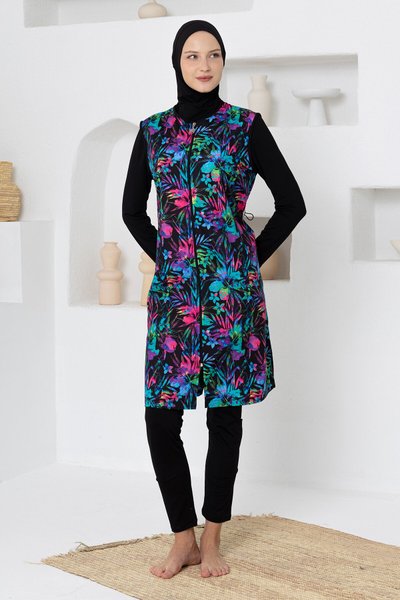
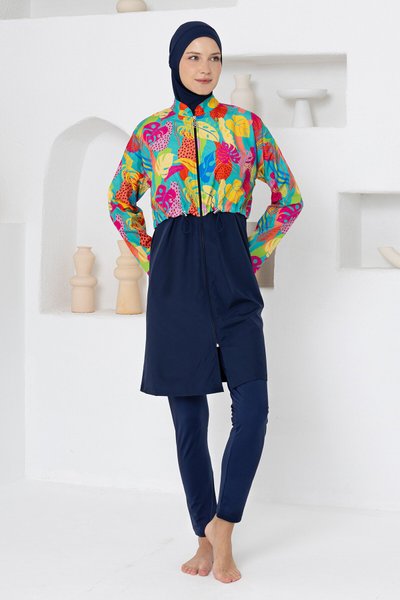
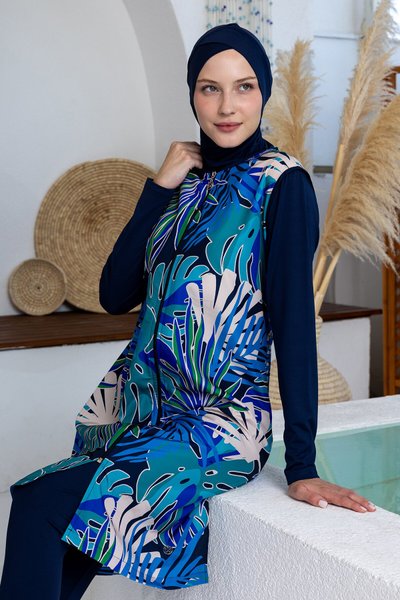
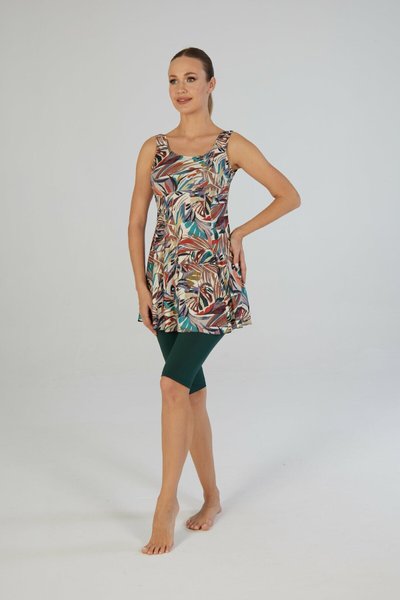
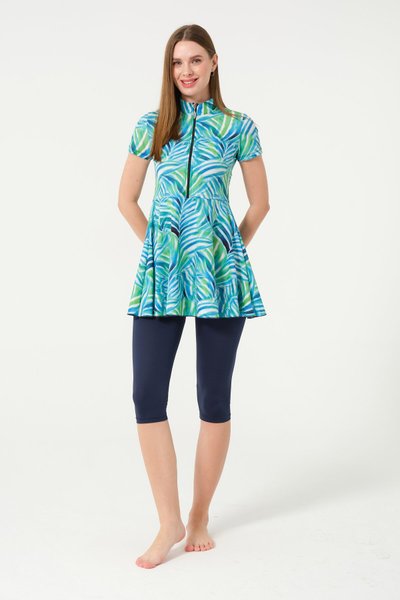
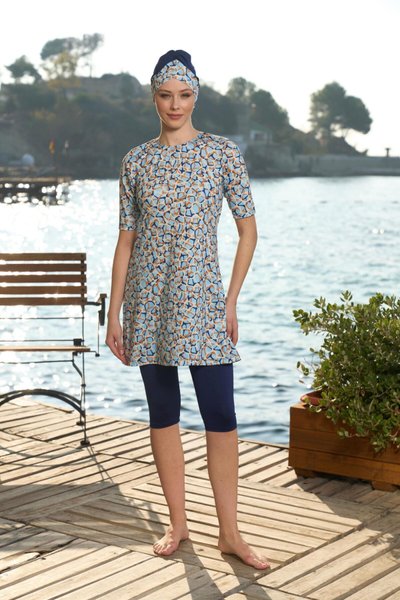
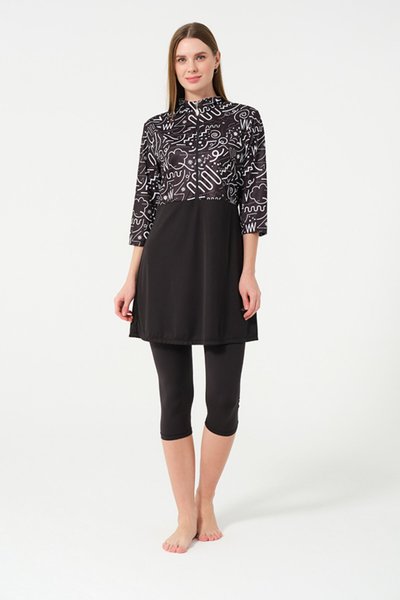
Colorful half coverage swimsuits here are made by brands that design specifically for modest swimwear. All current options are in polyester fabric and come in multicolored prints and patterns, with sizing that runs from S through 54. If you are looking for a half coverage swimsuit with visible color rather than a solid neutral, this is the right starting point.
- Size
- Color
- Advantages
Fabric and Construction
Every colorful half coverage swimsuit in this selection is made from polyester. In swimwear, polyester holds its shape after repeated exposure to water, resists fading from chlorine and sunlight, and dries relatively quickly. For half coverage styles — which include a tunic-length top over leggings or full-length pants — polyester's low water retention is a practical advantage. When rinsing or washing after use, cold water and a gentle hand wash will preserve both the color and the fabric structure longer than machine washing.
Color and Styling
The colorful options here feature multicolored prints rather than single solid tones. For headscarf pairing, a solid navy blue or white hijab works as a neutral anchor against busier print patterns without competing with the design. If the swimsuit leans toward warm tones — oranges, reds, or yellows in the print — a stone or ivory scarf maintains balance. Darker or cooler-toned prints pair cleanly with a black or charcoal headscarf. Footwear for beach or poolside use is typically a flat sandal or waterproof slide; a neutral or metallic sandal transitions well across most colorful prints. For more half coverage swimwear options across all colors and styles, see the full half coverage swimsuits category.
Sizing and Fit
Sizing runs from S through 54, and plus sizes are included in the current selection. For sizes 46 and above, half coverage styles with a looser-cut tunic top and elasticated waistband on the pants or leggings allow for comfortable movement while maintaining coverage. A slightly longer tunic hem — reaching mid-thigh or below — provides consistent coverage in the water as well as out of it. Fit across half coverage swimwear in this range tends to be relaxed rather than structured, which suits active beach or pool use.
How should colorful half coverage swimsuits be washed and cared for?
These swimsuits are made from polyester, which performs best with a cold-water hand wash after each use. Avoid machine washing with hot water or tumble drying, as heat can distort the fabric and cause colors in printed designs to fade more quickly. Lay flat or hang to air dry away from direct sunlight to extend the life of the print.What headscarf color works well with colorful half coverage swimsuits?
Because these swimsuits feature multicolored prints, a solid-colored scarf in a neutral tone tends to work best — navy blue, white, ivory, or black are reliable choices that do not clash with busy patterns. If the dominant tones in the print are warm, lean toward ivory or stone; if the print is cooler or darker, navy or black provides a clean contrast.What season are half coverage swimsuits in polyester suitable for?
Polyester half coverage swimsuits are designed primarily for warm-weather use — beach holidays, outdoor pools, and summer water activities. Polyester does not breathe as freely as natural fabrics in dry heat, but in wet or aquatic environments its quick-drying properties and shape retention make it the standard choice for swimwear. These are not suited to cold-weather use.