
Pink Shawls
Pink shawls filtered here cover a range of tones, from soft blush to deeper rose, alongside colorful and purple-toned options from the same selection. If you already have an outfit in mind and are working out which shade of pink fits it, this is a practical starting point. Each listing carries its own fabric and care information.
- Size
- Color
- Advantages
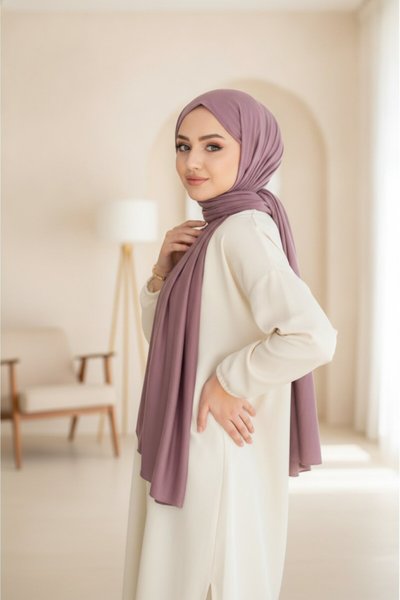
Combining Pink Shawls with Modest Outfits
Pink pairs most cleanly with neutral base tones. A dusty rose or pale pink shawl works well against ivory, cream, camel, or stone-colored abayas and coats — the contrast stays soft without competing. For a stronger visual balance, navy, dark teal, or charcoal outfits provide a ground that allows the pink to read clearly without washing out. Avoid pairing warm pinks with red-toned burgundy unless the shawl carries a pattern that bridges the two. The colorful and purple-toned pieces in this selection can serve as transition options when a single pink is too narrow a commitment.
Occasion Suitability
A plain pink shawl in a matte or semi-matte finish is versatile enough for everyday wear, workplace settings, and casual social occasions. For formal events such as weddings or invitations, the fabric weight and finish of the shawl matters more than the color alone — check the material listed on each product page to confirm whether it drapes formally or sits more casually. Lightweight woven or modal shawls tend to work across both registers. Heavier woven or jacquard options lean more formal. Browse the full shawls category if you want to compare across colors and materials before narrowing to pink.
Care Considerations
Without a single dominant fabric across this selection, care instructions vary by product. As a general principle, hand-washing in cold water with a mild detergent preserves color tone and prevents pilling on delicate weaves. Machine washing on a gentle cycle is acceptable for most cotton and modal blends but can cause shrinkage in viscose or acrylic options. Always check the label on the specific shawl you purchase. Storing pink shawls folded rather than hung prevents stretching along the edges over time.
What colors pair well with a pink shawl?
Neutral tones — ivory, camel, cream, and stone — pair consistently well with most pink shawls because the contrast is soft rather than competing. For a crisper combination, navy, charcoal, or dark teal outfits provide a stronger ground that lets the pink read clearly. Avoid pairing warm pinks directly against burgundy unless a pattern in the shawl connects the two tones.In which seasons can pink shawls be worn?
This depends on the fabric of the individual shawl rather than the color. Lightweight cotton, modal, or viscose weaves are suited to spring and summer wear, while thicker woven or acrylic blends sit better in autumn and winter. Because this selection includes products from more than one fabric type, check the material detail on each product page before purchasing for a specific season.What are the return conditions for shawls at Devr-i Tesettür?
Each seller on Devr-i Tesettür sets their own return terms, and these are stated clearly on the individual product page. We recommend reviewing the return information on the specific listing before completing your purchase, as conditions can differ between brands.