
Blue Shawls
Blue shawls filtered here come in a standard 70 x 175 cm size, offering reliable coverage for everyday modest wear. Each option is selected for modest dressing, not adapted from mainstream accessories. If you are looking specifically for blue, you are in the right place — the selection here is filtered to that color only.
- Size
- Color
- Advantages
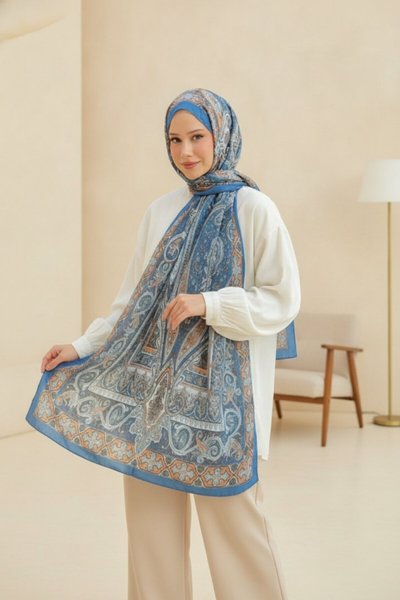
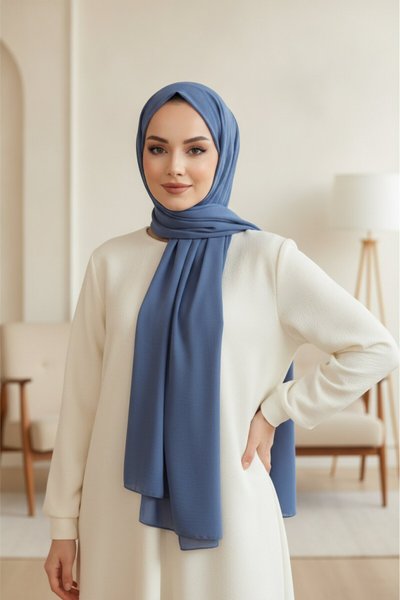
Size and Coverage
The shawls listed here follow a standard 70 x 175 cm dimension. This size is widely used in modest wear because it allows for full head and shoulder coverage without requiring additional pinning or layering. The width provides flexibility in how the shawl is draped or wrapped, whether you prefer a more structured wrap or a looser drape across the shoulders.
Pairing Blue Shawls with Modest Outfits
Blue sits well against neutral base colors. A navy or indigo shawl pairs clearly with cream, camel, or grey outerwear or dresses. Lighter blue tones — powder or sky blue — work with white, beige, and soft rosewood without creating visual conflict. For stronger contrast, pairing a mid-blue shawl with a dark burgundy or forest green outfit produces a defined, balanced look. Avoid pairing similar-value blues together, as the shades can blur rather than complement. For more shawl options beyond blue, the full shawls category includes additional colors and styles.
Occasion Suitability
A plain or lightly textured blue shawl fits comfortably in everyday settings — commuting, casual gatherings, or errands. For more formal occasions, the suitability depends on the fabric and finish of the specific shawl. Shiny or structured fabrics read as more formal; matte or woven textures sit better in casual or semi-casual contexts. Check the individual product page for fabric details before selecting for a specific occasion.
What outfit colors pair well with blue shawls?
Blue shawls work clearly with neutral base colors such as white, cream, camel, and grey. Darker shades of blue — navy or indigo — also pair well with deep tones like burgundy or forest green for stronger contrast. Avoid combining a blue shawl with an outfit in a very similar blue shade, as the tones tend to compete rather than complement.What season are blue shawls suitable for?
This depends on the fabric of the individual shawl rather than the color. Lighter woven fabrics suit spring and summer, while thicker or more densely woven shawls are better suited to autumn and cooler months. Check the material information on each product page to confirm seasonal suitability before purchasing.Can blue shawls purchased on Devr-i Tesettür be returned?
Each seller on Devr-i Tesettür sets their own return conditions, which are stated clearly on the individual product page. Before completing a purchase, reviewing the return policy listed on the relevant product page is recommended.