
Cotton Burkinis
Cotton burkinis offer full coverage swimwear in a natural, breathable fabric. The models here are made primarily from cotton and are suited to sea or pool use across a range of sizes from S to 3XL. If you are looking for a burkini that prioritises natural material rather than synthetic alternatives, this is the right place to start.
- Size
- Color
- Advantages
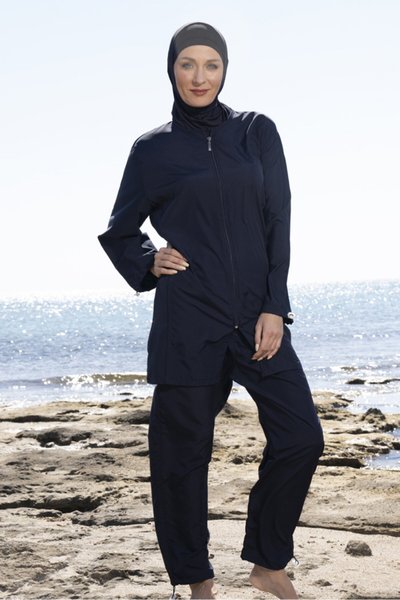
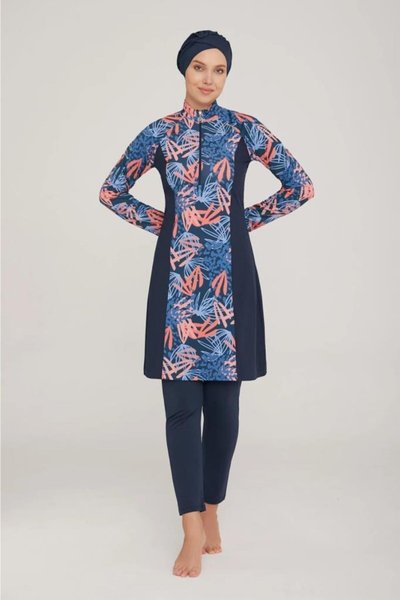
What to Know About Cotton as a Burkini Fabric
Cotton is a natural fibre, which means it breathes well and sits comfortably against the skin during warm weather. In a burkini context, cotton fabric tends to feel softer than parachute or polyester alternatives, and it does not trap heat in the same way. One thing worth noting is that cotton absorbs water more readily than synthetic fabrics, so it takes longer to dry after swimming. If you plan to move between water and beach or poolside frequently, account for that drying time. For leisurely sea or pool use where comfort is the priority over quick-dry performance, cotton remains a practical and naturally derived choice. The burkinis available here are made with cotton as the dominant material, keeping the construction straightforward and the feel close to regular clothing rather than performance sportswear. For a broader look at all burkini options regardless of fabric, visit the burkinis category.
Colour and Styling Notes
The available models are predominantly in navy blue, which is a reliable choice for swimwear — it does not show water marks as visibly as lighter tones and pairs naturally with a range of cover-up options. A white or ivory beach kaftan over a navy cotton burkini creates a clean contrast. A sand or stone-coloured cover-up works equally well if you prefer a softer palette. Because cotton burkinis tend to have a more relaxed silhouette than structured synthetic versions, they pair well with simple, loose cover-ups rather than fitted overshirts.
Size Range and Fit Guidance
Sizes run from S through to 3XL, covering a broad range including plus sizes. In the larger sizes, a slightly looser cut through the torso allows for comfortable movement in the water without the fabric pulling. If you are between sizes, sizing up is generally the more comfortable choice for swimwear, particularly in cotton which does not stretch as much as jersey or neoprene blends. The tunic-and-trouser structure common in burkini construction distributes fabric evenly, which works well across all size ranges.
How should cotton burkinis be washed?
Cotton burkinis should be rinsed in cold fresh water immediately after swimming to remove chlorine or salt, both of which can degrade natural fibres over time. Machine washing on a gentle cycle at 30°C is generally safe, but check the care label on the individual product. Avoid tumble drying — cotton swimwear holds its shape better when laid flat or hung to air dry away from direct sunlight, which can cause fading.What season are cotton burkinis best suited to?
Cotton burkinis are best suited to summer use when water temperatures are warm and the air is hot. Cotton breathes well in heat, which makes it comfortable to wear in and out of the water on warm days. In cooler water or early-season swimming, a synthetic or lined burkini may retain warmth more effectively — cotton does not have the same insulating properties when wet.Are cotton burkinis available in plus sizes?
Yes, the models here are available from S up to 3XL, which includes a full range of plus sizes. The burkini silhouette — with a longer tunic layer over wide-leg trousers — works well across larger sizes by providing even coverage and allowing free movement in the water. If you are buying for the first time, measuring your bust and hip circumference and comparing to the brand's size chart on the product page will give you the most accurate fit.