
Grey Bonnets
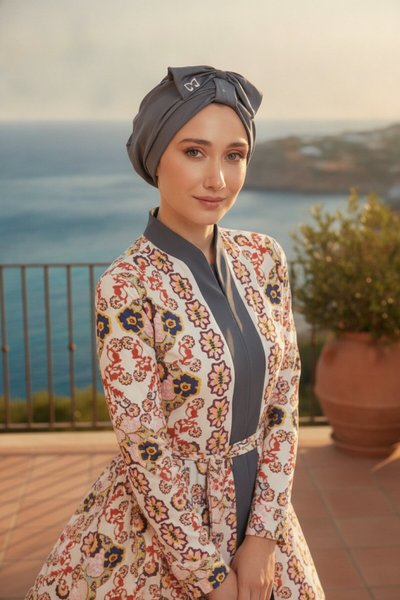
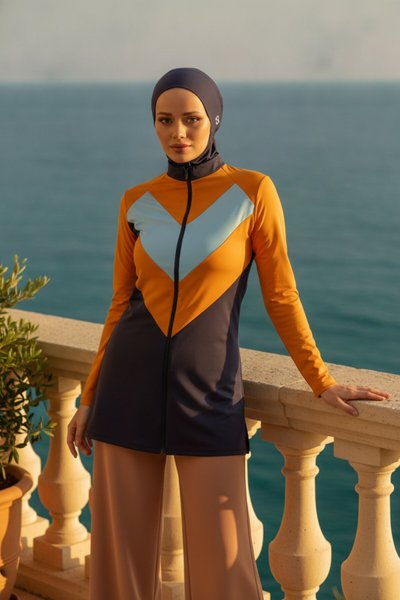
Grey bonnets sit at a practical midpoint between light and dark under-scarf options. The grey tone is neutral enough to pair with most headscarf colors without creating contrast at the hairline, which is one of the main reasons it remains a consistent choice for everyday modest wear. The bonnets here are standard-sized and come from Mayovera, a brand that produces specifically for the modest wear market.
- Size
- Color
- Advantages
What to Consider When Choosing a Grey Bonnet
A bonnet's primary function is to secure the hair and provide a smooth base for the headscarf. In grey specifically, the tone works as a visual buffer — if the bonnet peeks slightly at the forehead or nape, grey reads more neutrally than stark white or deep black against most skin tones. Look for a snug but non-restrictive fit and a fabric that doesn't add bulk at the crown, as this affects how the outer scarf drapes. Bonnets without seams at the top tend to create a flatter surface, which is useful with thinner or lightweight headscarves.
Pairing Grey Bonnets with Headscarves
Grey works as a background tone rather than a statement color, which makes it easier to rotate across different headscarf colors without re-coordinating. With dusty rose, camel, or stone-colored headscarves, grey creates a tonal match. With navy, burgundy, or forest green scarves, any visible grey trim blends rather than contrasts. For black headscarves, grey sits closer in value than white and avoids a sharp line at the edges. If you wear printed scarves, grey is less likely to visually compete with the pattern than a bright or stark under-scarf would be. For more options in the broader category, visit the bonnets section.
Sizing and Everyday Use
The bonnets in this selection are offered in standard sizing, which typically accommodates a range of head circumferences through the stretch of the fabric. If you find standard bonnets tend to slip during the day, look for styles with a silicone grip band at the edge — this detail is worth checking in the individual product descriptions. For daily use, a mid-weight knit or jersey construction tends to hold its shape through regular washing better than very thin bonnet fabrics.
How should grey bonnets be washed?
Most bonnets are made from jersey or knit fabrics and are best washed on a gentle machine cycle at 30°C or by hand with mild detergent. Avoid wringing the fabric — reshape while damp and allow to air dry flat to preserve the elasticity of the band. Always check the care label on the individual product, as specific finishes or blends may require different handling.Which headscarf colors work well with grey bonnets?
Grey is a neutral tone that sits comfortably alongside most headscarf colors. It pairs cleanly with camel, dusty rose, cream, and stone tones for a tonal look, and creates a softer contrast than white would with darker scarves in navy, burgundy, or olive. For printed headscarves, grey is an unobtrusive base that doesn't compete with pattern colors at the edges.Which seasons are grey bonnets suitable for?
Grey bonnets are not season-specific in terms of color, but the fabric weight matters for comfort across different temperatures. Lighter knit or thin jersey constructions are more comfortable in warmer months, while slightly thicker bonnet fabrics add a small layer of warmth in cooler weather. Check the product material details to select the construction that suits your typical wearing conditions.