
Abayas
Abayas listed here are produced specifically for modest wear — not adapted from other garments. Styles range from straight and open-front cuts to belted and wide-sleeve silhouettes, in fabrics suited to different climates and occasions. Each product page includes fabric composition, sizing, and care details so you can assess fit before purchasing.
- Style
- Size
- Color
- Advantages
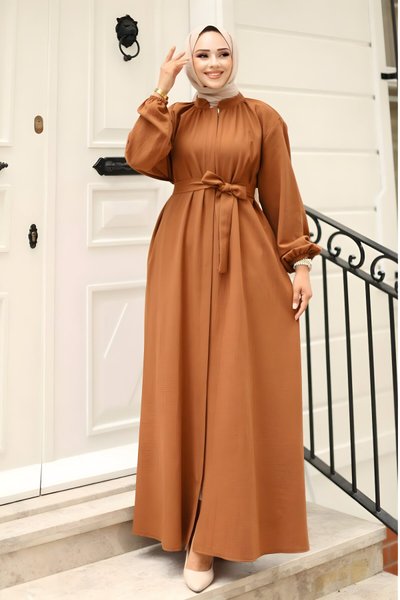
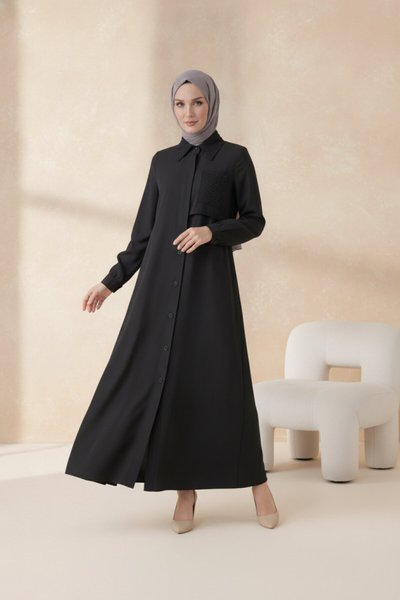
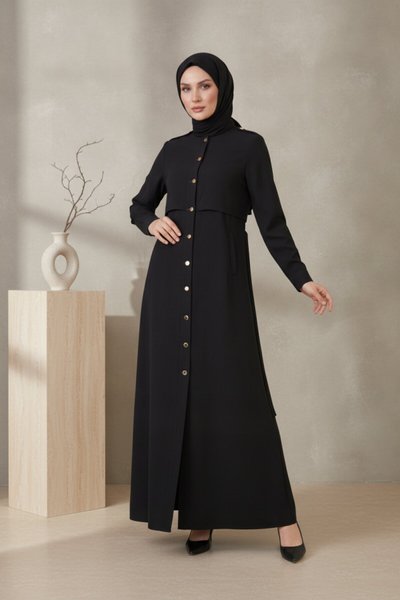
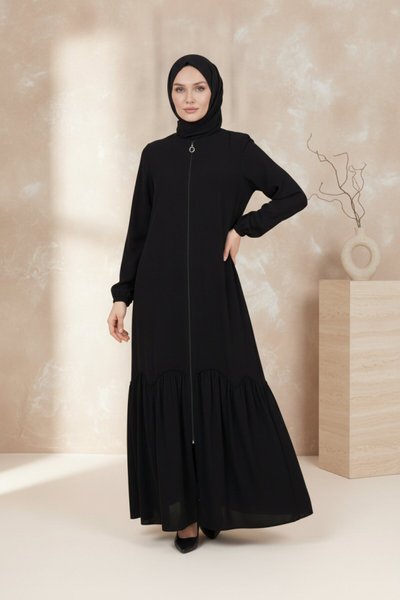
Abaya Cuts and What They Offer
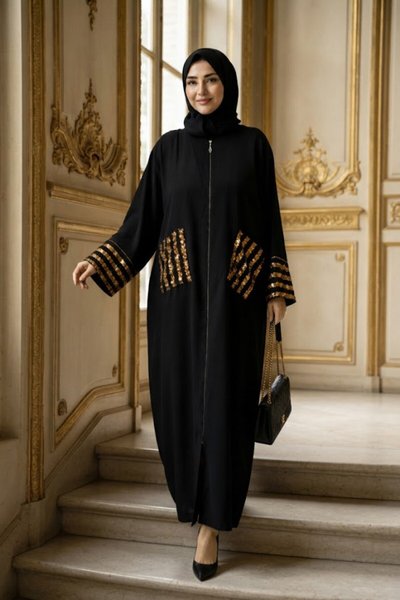
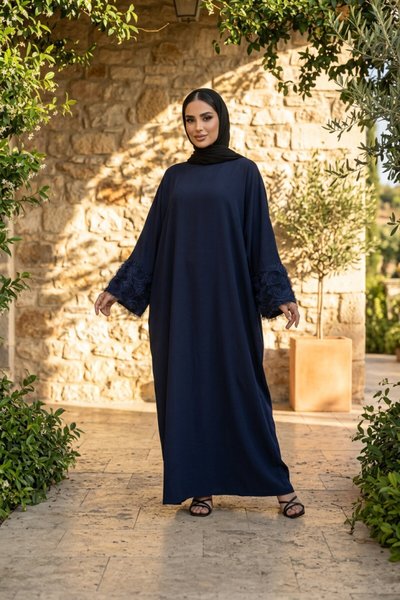
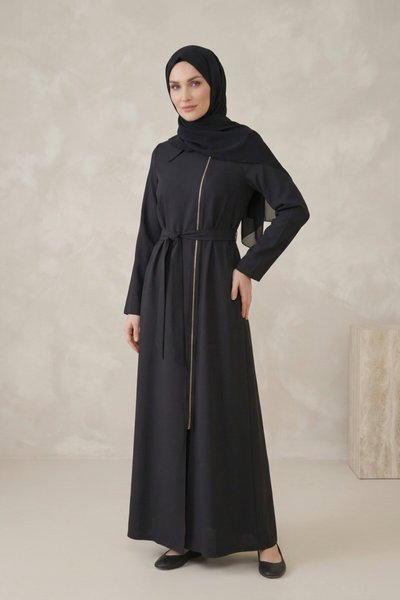
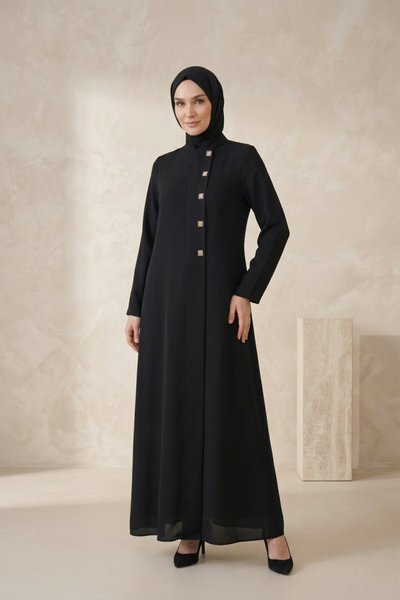
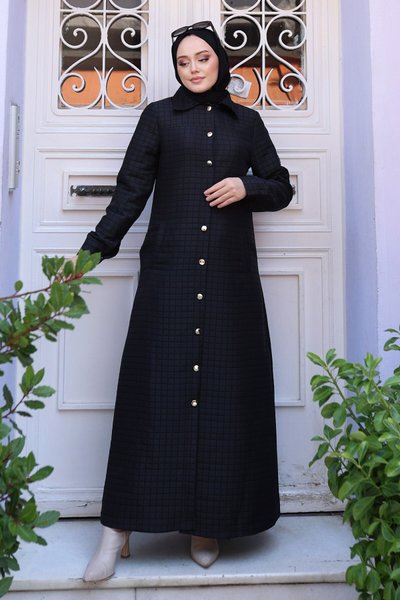
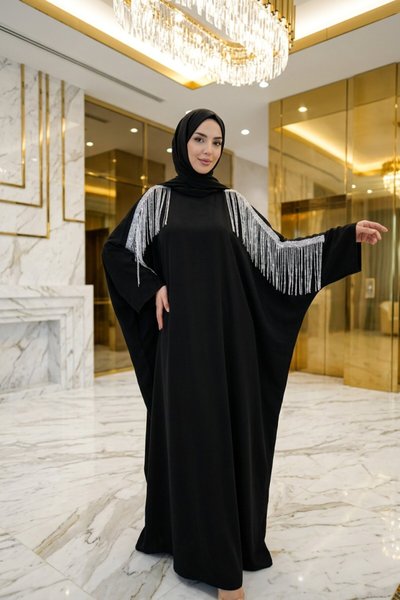
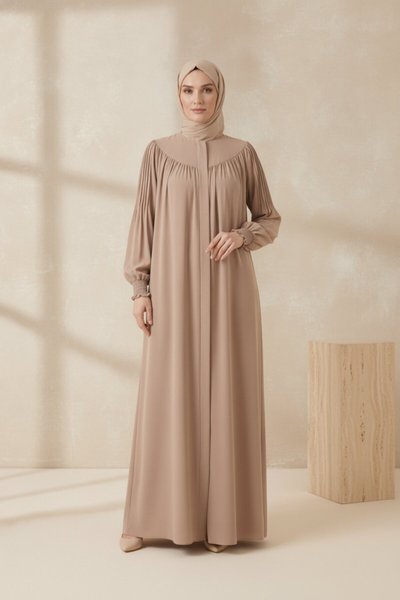
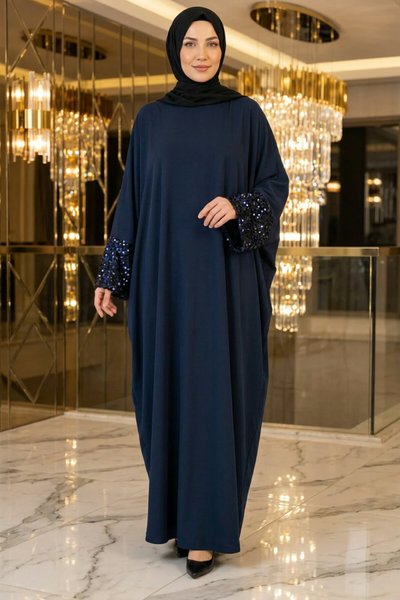
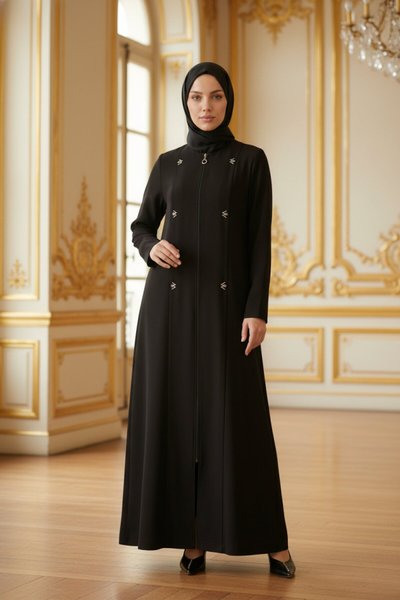
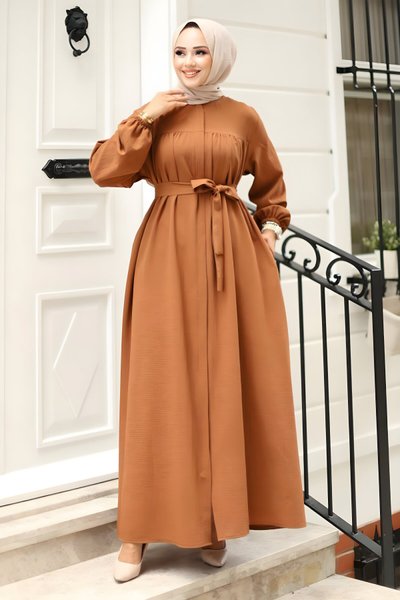
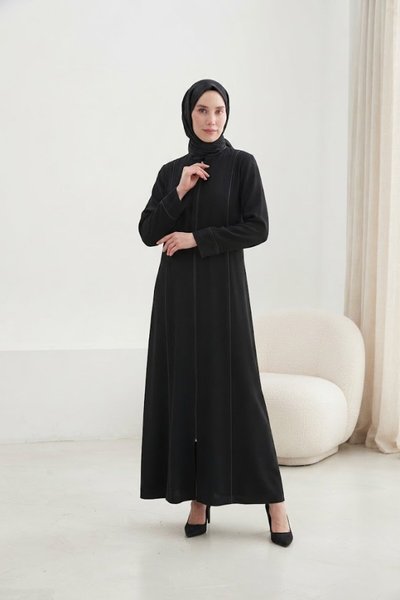
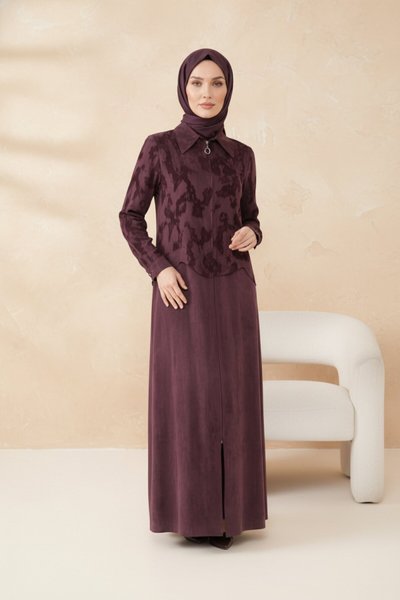
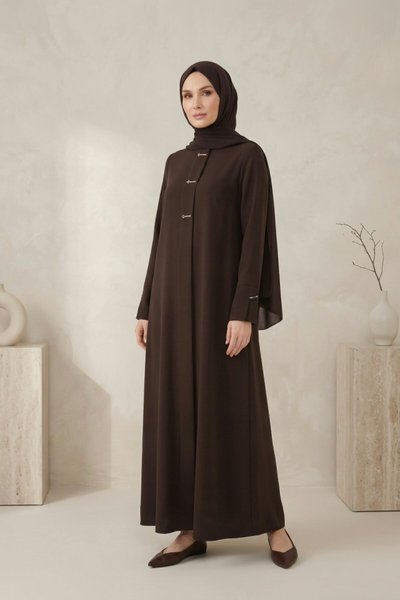
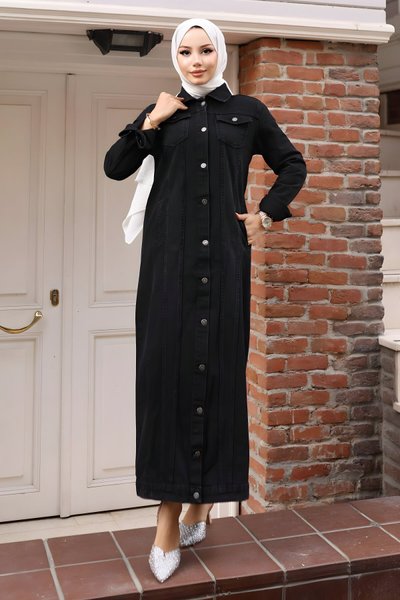
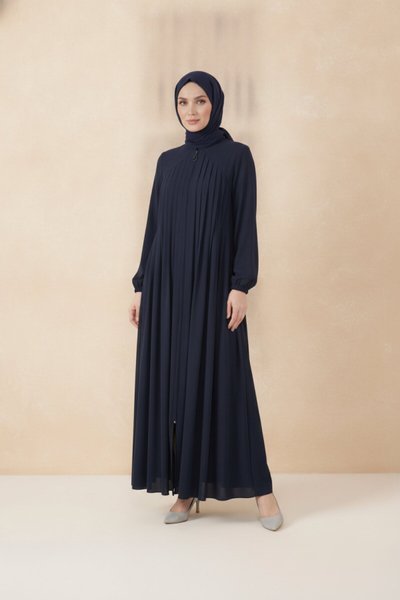
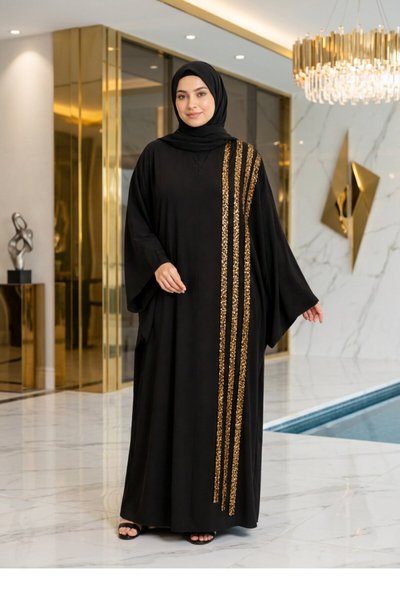
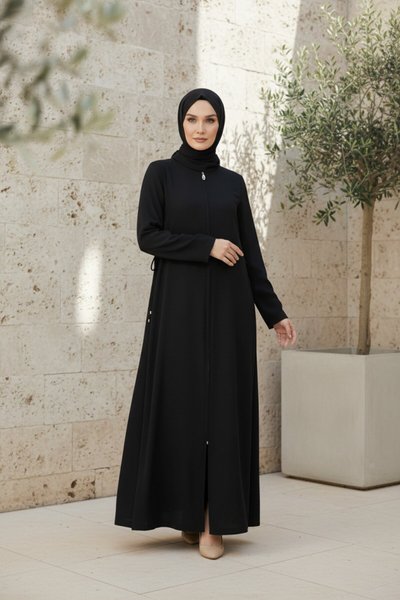
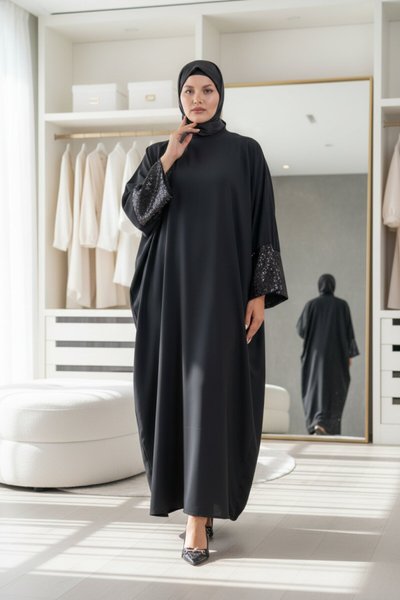
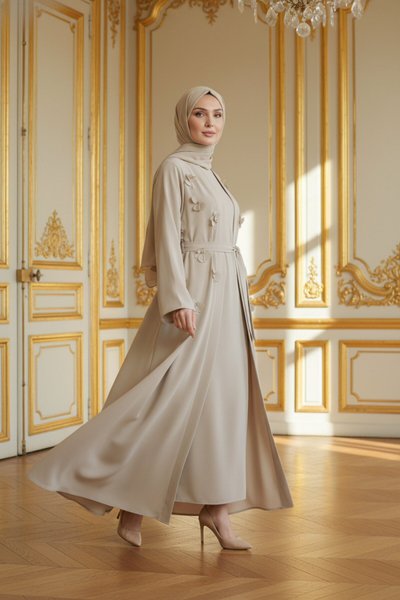
The most common abaya silhouettes are the open-front (kimono-style), closed straight-cut, and belted. Open-front abayas layer over existing outfits without requiring a full change of clothing beneath — practical for travel or mixed-schedule days. Closed straight cuts provide full coverage with minimal styling decisions required. Belted abayas define the waist and tend to read as more intentional in appearance, making them a common choice for gatherings where presentation is a consideration. Wide-sleeve and batwing cuts offer ease of movement and are frequently chosen for warmer weather, provided the fabric is breathable.
Fabric and Seasonal Suitability
Abaya fabric choices directly affect how comfortable a garment is across different temperatures. Cotton and cotton-blend abayas breathe well and are suited to warmer months or indoor settings without air conditioning. Crepe and ponte fabrics hold their shape across seasons and are generally easier to care for than woven alternatives. Nida — a lightweight, non-clingy fabric common in abaya production — works well year-round and tends to drape cleanly without static. Satin and jacquard abayas are typically reserved for evening or formal settings; they offer visual weight that suits occasions rather than daily use. Checking the fabric composition on each product page will confirm whether the garment suits your intended climate or setting.
Colour and Headscarf Pairing
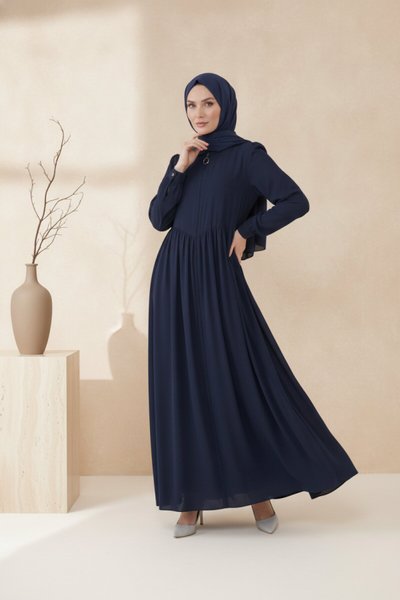
Black remains the most produced abaya colour and pairs neutrally with most headscarf tones — ivory, camel, dusty rose, and slate all work without competing. For abayas in navy or dark brown, a cream or warm beige headscarf provides clear contrast. Lighter abayas in stone, ecru, or pastel tones tend to read best with headscarves in the same tonal family or a single, slightly deeper shade. Embroidered or patterned abayas generally work better with a plain headscarf to avoid visual crowding.
How should abayas be washed and cared for?
Care depends on the fabric. Cotton and cotton-blend abayas can usually be machine washed on a gentle cycle at low temperature. Crepe, nida, and viscose abayas are better hand-washed or laundered on a delicate setting to prevent stretching. Satin and embroidered abayas typically require dry cleaning or very careful hand washing — always check the care label on the product before washing.Which headscarf colours work well with abayas?
For black abayas, neutral headscarves in ivory, camel, or soft grey sit cleanly without contrast tension. Navy and dark brown abayas pair well with cream or warm beige. If the abaya carries embroidery or a print, a plain headscarf in a tone pulled from the design keeps the look coherent. Avoid matching both garment and headscarf in the same bright tone, as it can flatten the overall appearance.What seasons are abayas suitable for?
Abayas made from nida, cotton, or lightweight crepe are comfortable in spring and summer, particularly in open-front styles with wider sleeves. Heavier fabrics such as ponte, jacquard, or layered woven materials suit autumn and winter wear. Some fabrics — medium-weight crepe in particular — carry across most seasons, especially in temperature-controlled indoor environments. The product page fabric listing is the most reliable guide for seasonal fit.