
Orange Half Coverage Swimsuits
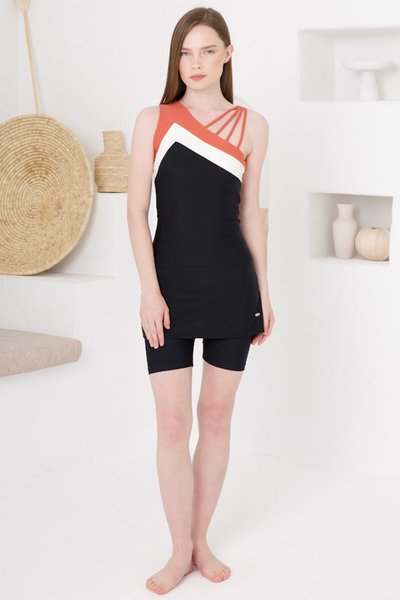
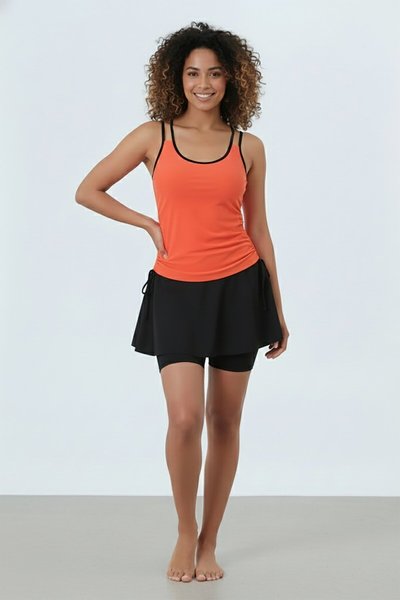
These are half coverage swimsuits filtered to orange. All pieces are made from polyester, which holds its structure when wet and dries relatively quickly. Sizes run from S to 44, with plus size options included. If you want to browse the full color range, the unfiltered selection is available under half coverage swimsuits.
- Size
- Color
- Advantages
Fabric and Construction
Every orange half coverage swimsuit here is made from polyester. In swimwear, polyester resists chlorine and saltwater better than natural fibres, maintains its shape after repeated use, and dries faster than cotton blends. It does not absorb water heavily, which keeps the garment from weighing down during wear. These are practical characteristics for swimwear used in pools or at the sea.
Color Pairing and Styling
Orange reads clearly in outdoor and poolside settings. For headscarf pairing, black provides the most defined contrast against orange — a black hijab creates a clean, grounded look. If you prefer a softer combination, ivory or stone tones reduce the visual intensity without clashing. Navy is another reliable option that sits naturally alongside orange. Black swimwear is also represented in the broader half coverage range, making it easy to compare tones within the same cut category.
Sizing
The size range runs from S to 44, and larger sizes are available within this selection. Half coverage swimwear in this range is cut to provide body coverage while allowing ease of movement in water. Modest swimwear cuts at the larger end of the size range typically include structured bodice sections and longer coverage panels, which distribute fit evenly without requiring additional layering.
How should orange polyester half coverage swimsuits be washed?
Polyester swimwear should be rinsed in cold water immediately after use to remove chlorine, salt, or sunscreen residue. Hand washing with a mild detergent is recommended over machine washing, as repeated machine cycles can degrade the fabric's elasticity over time. Avoid wringing — press water out gently and lay flat or hang to dry away from direct sunlight, which can fade the orange colour.What hijab color works well with an orange half coverage swimsuit?
Black is the most direct contrast option and keeps the overall look visually balanced. For a less stark pairing, ivory, stone, or sand tones work well alongside orange without competing with it. Navy is another practical choice that complements orange without pulling focus. Bright or similarly saturated colours such as red or fuchsia are likely to clash and are generally worth avoiding.What season are these half coverage swimsuits suitable for?
Polyester swimwear is designed for use in water, making these pieces a warm-weather and summer-specific category. They are suited to pool, sea, and waterpark settings during spring and summer months. Polyester does not provide meaningful warmth, so these are not intended for cooler water temperatures or indoor aquatic use where thermal protection is needed.