
Linen Girls' Dresses
Filtered to linen fabric, these girls' dresses come from brands that produce specifically for modest wear. Linen is a natural, breathable material that suits warmer seasons and everyday use. Every dress listed here either uses linen as its primary fabric or as a significant component of its construction, so you can shop by material without having to verify it yourself.
- Size
- Color
- Advantages
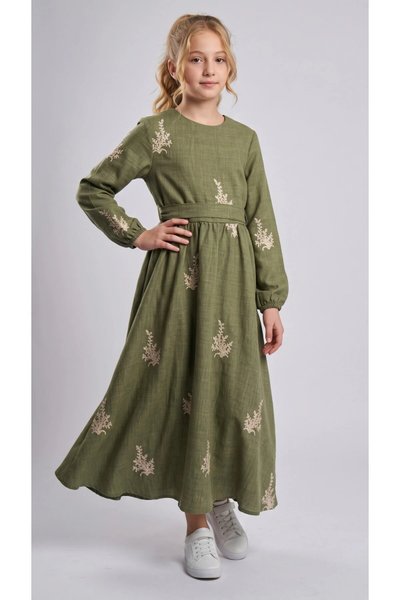
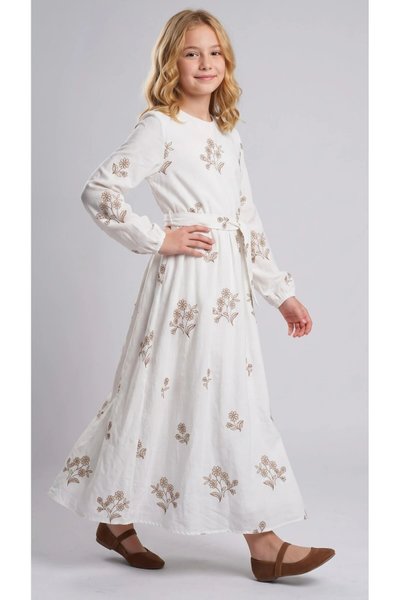
What Linen Offers in Girls' Dresses
Linen is a plant-based fabric known for its breathability and durability. In girls' dresses, it holds its shape reasonably well over repeated wear and washes, and it becomes softer with use rather than deteriorating quickly. It absorbs moisture without clinging, which makes it a practical choice for active children during warm months. Linen can wrinkle more than synthetic alternatives, so parents looking for low-maintenance options should note this — pre-washed or stonewashed linen finishes tend to wrinkle less and present a more relaxed appearance from the start.
Cuts and Styling
Linen girls' dresses in modest sizing typically feature relaxed or slightly A-line silhouettes that allow easy movement. Loose, straight cuts and dropped-waist styles are common in this fabric category, as linen drapes better with some ease rather than a fitted structure. For layering, a lightweight cotton long-sleeve undershirt in ivory or white pairs cleanly with most linen dress colours. Neutral linen tones such as ecru, stone, and dusty blue work well alongside cream or soft grey headscarves for girls who wear them. For footwear, flat sandals or canvas shoes complement the relaxed character of linen dresses without visual conflict. You can also browse the full range of girls' dresses to compare linen options with other fabrics.
Occasion Suitability
Linen girls' dresses are most naturally suited to everyday wear, outdoor gatherings, and casual family occasions in spring and summer. They are not typically used for formal events such as weddings or engagements, as linen's texture and relaxed drape do not align with the expectations of those occasions. For school settings or casual visits, linen dresses in darker or muted tones — such as navy, olive, or terracotta — tend to be more practical than lighter shades that show marks more readily.
How should linen girls' dresses be washed?
Linen girls' dresses should generally be washed in cool or lukewarm water on a gentle cycle to prevent shrinkage and preserve the weave. Avoid high-heat drying; laying the dress flat or hanging it to air dry helps maintain the original shape. Always check the care label on the specific garment, as blended linen fabrics may have different requirements than 100% linen.What season are linen girls' dresses suitable for?
Linen is primarily a warm-season fabric — it is most comfortable in spring and summer due to its breathability and moisture-wicking properties. In early autumn, linen dresses can still be worn with a light cardigan or long-sleeve layer underneath, extending their usability into cooler but not cold weather. Heavier linen blends with cotton or viscose may feel suitable across a broader range of temperatures.What colour combinations work well with linen girls' dresses?
Natural linen tones such as ecru, stone, and oat pair well with terracotta, dusty rose, or sage green accessories. Navy or forest green linen dresses work cleanly with white or ivory layers. If the dress is in a warm neutral, a soft blush or cream headscarf keeps the overall look cohesive without introducing visual contrast that is too sharp for a child's outfit.