
Colorful Cardigans
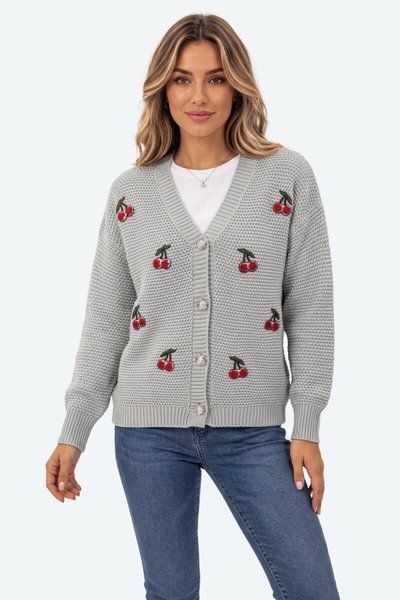
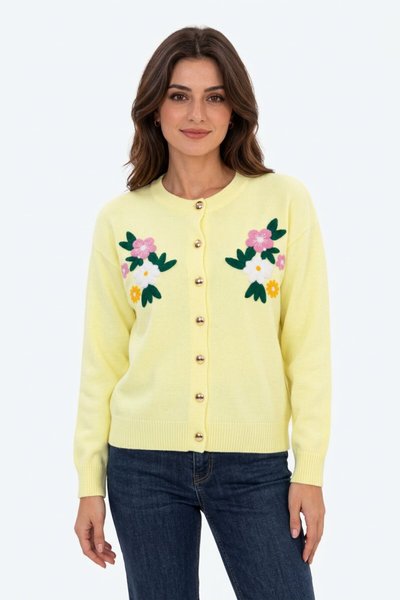
Colorful cardigans occupy a specific place in a modest wardrobe: they add visible contrast to an outfit while maintaining the coverage that longer or layered pieces provide. The cardigans here are filtered by color — meaning the focus is on models that move beyond neutrals and introduce defined tones. If you are building combinations around a specific color palette, this is a useful starting point.
- Size
- Color
- Advantages
What to Look for in a Colorful Cardigan
When a cardigan is the color-forward element of an outfit, the fabric matters for how that color reads and holds over time. Natural or semi-natural fibers — cotton, viscose, and acrylic blends — tend to retain their color well across washes when cared for correctly. Knit cardigans in cotton or a cotton-acrylic blend hold structure and color consistency better than fine-gauge viscose, which softens faster. If the cardigan will be worn frequently, a slightly heavier knit will serve longer without fading or stretching at the hem and cuffs.
Combining Colorful Cardigans with Modest Basics
A colorful cardigan works most clearly when the pieces underneath it are neutral. Cream, white, navy, or light grey under-layers allow the cardigan to carry the visual weight of the combination without competing. For headscarf pairings: if the cardigan is in a warm tone such as rust, terracotta, or mustard, a cream or camel headscarf bridges the look without dulling the color. For cooler tones such as cobalt, forest green, or plum, a white or grey headscarf maintains contrast cleanly. Avoid pairing a patterned headscarf with a strongly colored cardigan unless the patterns share at least one overlapping tone. For a broader selection of modest layering options, the full cardigans category includes additional styles across different colors and lengths.
Occasion Suitability
Colorful cardigans are most suited to everyday and semi-casual use. A long cardigan in a solid cobalt or emerald over wide-leg trousers and a plain tunic can extend to a relaxed office or low-formality daytime occasion. For formal events, a cardigan is generally not the appropriate outer layer unless the event is specifically casual in tone. Shorter or more relaxed-cut colorful cardigans are better positioned for daily wear, travel, or seasonal layering where the goal is practical coverage with visible color.
How should colorful cardigans be washed to preserve their color?
Washing inside out in cold water on a gentle cycle reduces friction on the outer surface, which is where color fades first. Avoid soaking for extended periods, and do not tumble dry — reshape and dry flat to prevent stretching. Strongly saturated colors such as cobalt, burgundy, and forest green are more prone to bleeding in the first one or two washes, so washing separately initially is a practical precaution.Which headscarf colors work well with colorful cardigans?
Neutral headscarves are the most reliable pairing when the cardigan is the dominant color in the outfit. Cream, white, and light grey work with most tones. For warm-toned cardigans — mustard, terracotta, rust — a camel or ivory headscarf is a close and coherent match. For cool-toned cardigans — plum, cobalt, teal — a white or soft grey headscarf creates clean contrast without introducing a third competing color.What season are colorful cardigans suitable for?
This depends primarily on the fabric weight. Lightweight cotton or viscose cardigans are appropriate for spring and autumn, and can layer over air-conditioned environments in summer. Heavier knit or acrylic-blend cardigans are better suited to autumn and winter as mid-layers. A cardigan that feels thin enough to wear comfortably in mild weather will likely be insufficient on its own in colder temperatures, where it works better as a layering piece under a coat.