
Beige Cardigans
Beige cardigans sit in a neutral range that works across seasons and outfit combinations. The pieces here come from brands producing specifically for modest wear, meaning coverage, sleeve length, and cut are built into the design rather than adjusted after the fact. Whether you're looking for a lightweight layer or a heavier knit, this selection focuses on cardigans in beige and closely related neutral tones.
- Size
- Color
- Advantages
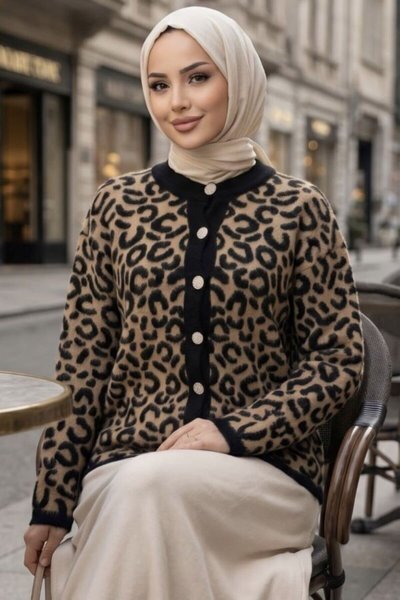
Fabric and Weight in Beige Cardigans
Cardigan fabric directly affects how the piece performs across temperatures. Cotton-blend cardigans in beige tend to hold their shape through regular washing and work well in transitional weather. Viscose and modal blends drape more softly and are better suited to layering over dresses or long skirts in warmer months. Acrylic or wool-blend knits carry more weight and are suited to cooler seasons. Since beige reads clearly in both textured and flat-weave fabrics, the tone holds well regardless of material. When in doubt about warmth level, check the fabric composition listed on the product page.
Styling Beige Cardigans for Modest Outfits
Beige is a mid-neutral that sits between white and brown on the warmth scale, which means it pairs differently depending on what it's worn with. Pairing a beige cardigan with a dark burgundy, olive, or navy underlayer creates a clear contrast without clashing. A stone or cream hijab blends with beige for a tone-on-tone look; a charcoal or deep teal hijab introduces contrast while keeping the overall outfit calm. For a more structured appearance, a beige cardigan worn over a straight-cut abaya or long skirt in a darker tone works well for office or daytime settings. Lighter beige tones also work with dusty rose or soft sage for spring and early autumn outfits. Explore the full cardigans range for additional colour and cut options.
Occasion Suitability
Beige cardigans are primarily suited to daytime and casual settings. A fine-knit or woven beige cardigan can carry into smart-casual contexts — over a fitted tunic or long dress — without appearing underdressed. Heavier or chunkier knits are more relaxed in tone and are better suited to everyday outings. Beige does not typically carry formal occasion weight on its own, but it can work as an outer layer at low-key davet or informal gatherings when the rest of the outfit is more structured. For evening or formal events, a cardigan in this tone would generally need to be part of a well-considered outfit rather than the focal piece.
How should beige cardigans be washed?
Care depends on the fabric. Cotton and cotton-blend cardigans can usually be machine washed on a gentle cycle in cool water, though checking the label is always recommended. Viscose and modal cardigans are prone to shrinkage and distortion and are better hand-washed or dry-cleaned. Wool and wool-blend knits should be hand-washed in cold water or dry-cleaned to prevent felting. Beige tones can pick up colour transfer from darker fabrics when wet, so washing separately is advisable.What hijab colours work well with beige cardigans?
Beige pairs cleanly with a range of hijab tones depending on the effect you want. Charcoal, deep navy, and forest green create a defined contrast while keeping the combination grounded. Stone, cream, or off-white hijabs produce a tone-on-tone look that reads as cohesive and understated. Dusty rose and soft terracotta add warmth without disrupting the neutral base. Avoid very bright or saturated tones unless the rest of the outfit is deliberately built around contrast.What season are beige cardigans suitable for?
Beige cardigans span multiple seasons depending on the fabric weight. Lightweight cotton or viscose cardigans work in spring and early autumn as a single layer, or in summer over air-conditioned indoor environments. Mid-weight cotton blends cover the transition months well. Heavier knits in acrylic, wool blend, or thick cotton are better suited to autumn and winter. Because beige is a year-round neutral in tone, the seasonal suitability comes down entirely to how the fabric is constructed rather than the colour itself.