
Yellow Burkinis
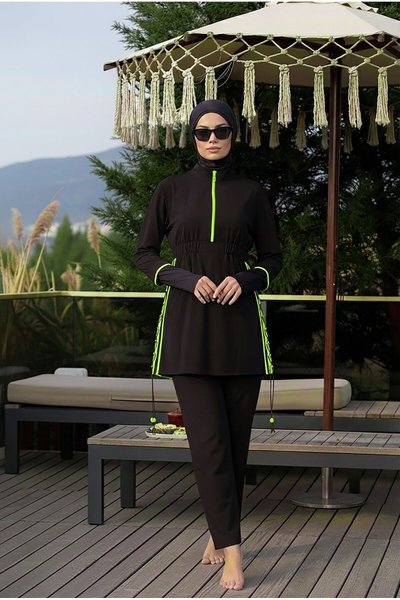
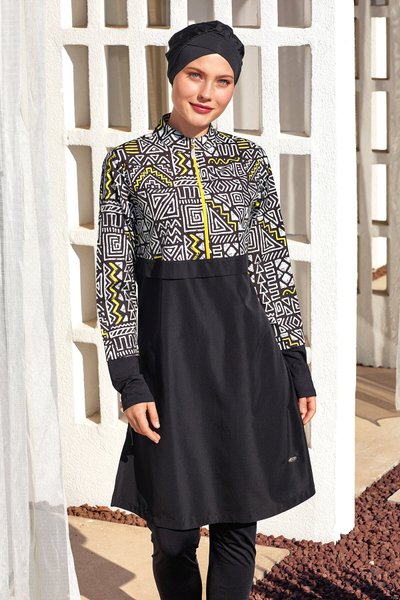
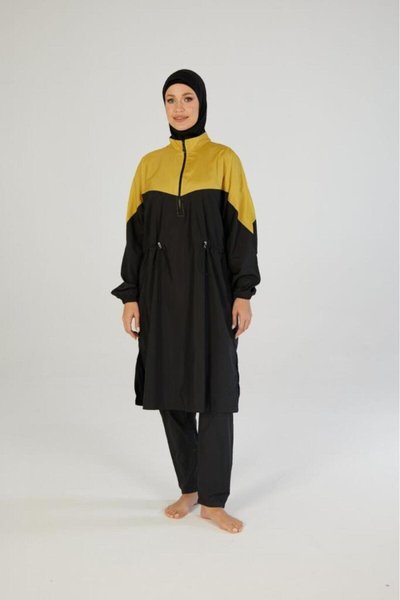
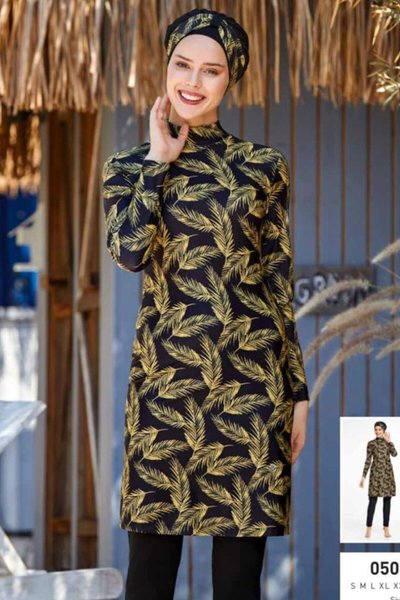
Yellow burkinis offered here are made for sea and pool use, with full modest coverage as standard. All models are in yellow and come from brands that produce specifically for modest swimwear. Fabrics are predominantly polyester, with some parachute fabric options, and sizing runs from S to 3XL. If you are looking for a yellow burkini that works in the water rather than just beside it, you are in the right place.
- Size
- Color
- Advantages
Fabric and Construction
The burkinis available here are made predominantly from polyester, which is the standard choice for swimwear due to its resistance to chlorine and saltwater, its quick-drying properties, and its ability to retain shape after repeated use. A smaller number of models use parachute fabric, which is lightweight and dries quickly but has a slightly different texture and drape. Both materials are suitable for active swimming. Polyester-dominant burkinis typically maintain their colour and fit more reliably over multiple seasons of regular use, which is a practical consideration when choosing a bright colour like yellow.
Sizing and Fit
These burkinis are available from size S through 3XL. Looser, relaxed-fit cuts in the upper size range tend to allow easier movement in the water while maintaining coverage. If you prefer a more secure fit during active swimming, models with elasticated cuffs or integrated drawstrings offer better adjustment. Full-coverage burkinis in this size range work across different body types without compromising the modest cut. For more burkini options across colours and styles, visit the full burkinis category.
Colour and Combination
Yellow is a high-visibility colour in the water and stands out clearly against the black inner layers or black accents that frequently appear in burkini construction. If you are combining with a swim hijab or undercap, black, white, or navy options create a clean contrast against yellow without competing with the main colour. A matching yellow hijab cap reads as a coordinated set. Avoid pairing yellow with similarly saturated warm tones such as orange or red, as the balance tends to be less defined.
How should yellow burkinis be washed and cared for?
Polyester burkinis should be rinsed in cold fresh water immediately after use in the sea or pool to remove salt and chlorine. Machine washing on a gentle cycle at 30°C is generally safe, but hand washing extends the life of the fabric and helps preserve the yellow colour. Avoid tumble drying and direct prolonged sunlight when drying, as both can cause yellowing or fading over time.Which hijab or swim cap colours pair well with a yellow burkini?
Black, white, and navy blue are the most straightforward choices to pair with yellow, as each creates a clear contrast without clashing. A matching yellow swim cap or hijab produces a coordinated, single-tone look. Avoid burgundy, orange, or olive green alongside yellow, as those combinations tend to reduce visual clarity and feel unbalanced.Are yellow burkinis suitable for both pool and sea use?
Yes. The polyester and parachute fabric construction used in these models is appropriate for both chlorinated pools and saltwater. Polyester in particular is resistant to chemical breakdown from chlorine. Rinsing the burkini thoroughly after each use — whether in the sea or pool — is the most important step to maintaining the fabric's integrity and the brightness of the yellow colour.