
Navy Blue Bonnets
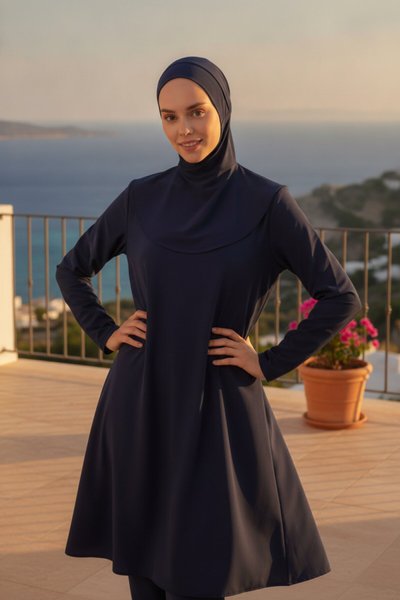
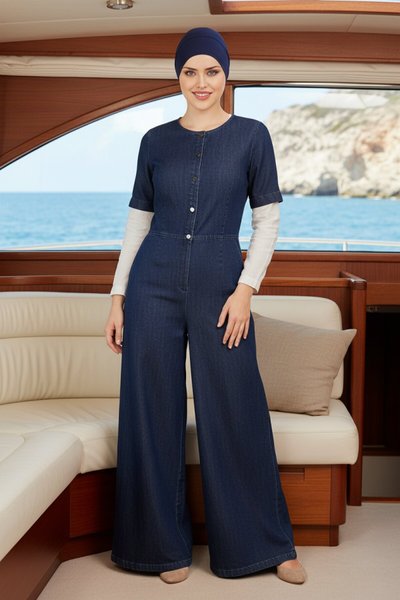
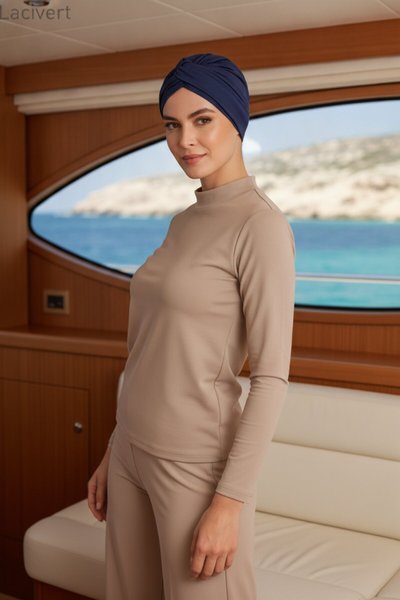
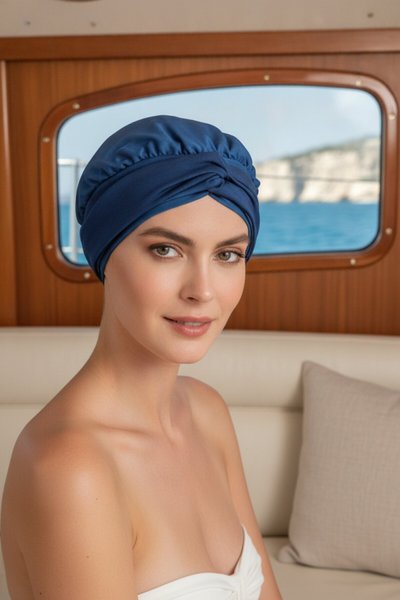
Navy blue bonnets in a single, focused colour. These under-scarf bonnets are sized to standard fit and sourced from Adasea, a brand that produces specifically for modest-wear needs. If you're looking for a bonnet that sits flat under a hijab and holds its shape through the day, this is a reliable starting point.
- Size
- Color
- Advantages
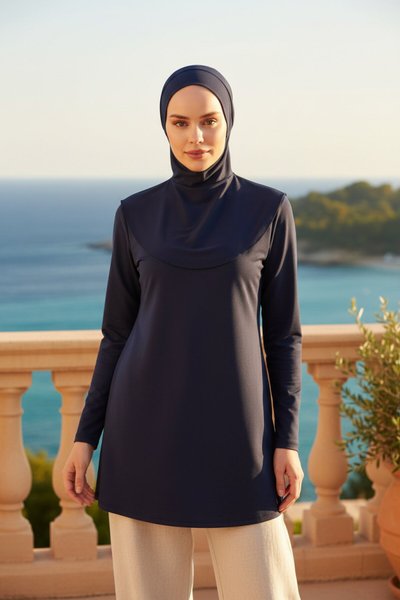
What to Look for in an Under-Scarf Bonnet
A bonnet's primary job is to keep hair in place and create a smooth base for the hijab. For daily use, stretch fabrics such as cotton-jersey or bamboo blends tend to breathe well and conform to the head without creating pressure at the temples. Thinner options are preferable in warmer months, while slightly thicker ribbed constructions provide more coverage in cooler weather. Because navy blue is a deeper colour, it's worth checking the fabric weight — very light materials may show through pale or white hijabs. Explore the full range of under-scarf options in the bonnets category for additional colours and styles.
Styling Navy Blue Bonnets
Navy blue sits well with a wide band of hijab colours without creating visual conflict. It pairs cleanly with white, off-white, grey, and camel tones, where the darker base stays hidden rather than bleeding through. Against burgundy, dusty pink, or olive hijabs, the contrast is minimal enough to remain unnoticeable. Avoid pairing a navy bonnet with very sheer or pale pastel fabrics unless the bonnet is confirmed as a dense weave — lighter weaves in this colour can create an unwanted shadow effect at the hairline.
Occasion and Everyday Use
Navy blue is a neutral, low-maintenance colour choice that works across daily routines without standing out. For more formal occasions — where the outer hijab is lighter in weight or worn draped — a fitted bonnet in a deeper colour like navy provides a stable anchor without affecting the overall appearance. For sport or active use, look specifically for bonnets labelled as slip-resistant or with a non-slip band, as standard bonnets may shift with movement.
How should navy blue bonnets be washed?
Most under-scarf bonnets in stretch fabrics — whether cotton-jersey, bamboo, or polyester blends — are best washed at 30°C on a gentle cycle to prevent shrinkage and colour fading. Navy blue is prone to slight bleeding in the first few washes, so washing separately or with similar dark colours initially is advisable. Avoid tumble drying on high heat, as this can distort the elasticated edge.What hijab or shawl colours pair well with a navy blue bonnet?
Navy blue works well beneath hijabs in white, off-white, light grey, and camel, where any visible edge of the bonnet reads as a neutral border rather than a colour clash. It also sits cleanly under burgundy, forest green, or charcoal tones. Pale pink or lavender hijabs in sheer fabrics are the least forgiving pairings, as the depth of the navy can show through the fabric at the hairline.What seasons are navy blue bonnets suitable for?
The suitability of a navy blue bonnet across seasons depends primarily on its fabric weight rather than its colour. Lightweight cotton or bamboo constructions are comfortable year-round, including in summer. Thicker ribbed or double-layered bonnets are better suited to autumn and winter use. Because navy does not reflect heat the way lighter colours do, a breathable fabric choice matters more in warm weather.